A thermostat that says Heat On while your home stays cold can create a confusing moment. The screen insists the system is warming up, yet the furnace never starts. This situation is more common than most homeowners realize, and it usually points to a communication problem, a sensor issue, a power interruption, or a safety feature quietly preventing the furnace from turning on.
In this blog, you will learn why the thermostat shows Heat On even when the furnace is not running, the signals your system is trying to send you, and the steps you can take before calling a technician.
Key Takeaways
- A thermostat showing Heat On does not guarantee the furnace received or responded to the signal.
- Weak batteries can power the screen but fail to send a strong enough heating command.
- Furnace safety switches block startup when overheating, airflow restrictions, or combustion issues appear inside the unit.
- Ignition failures such as cracked ignitors or weak pilot flames stop the furnace from starting properly.
- Communication problems between thermostat wiring and control boards prevent the furnace from recognizing heat requests.
Furnace Not Turning On With Thermostat
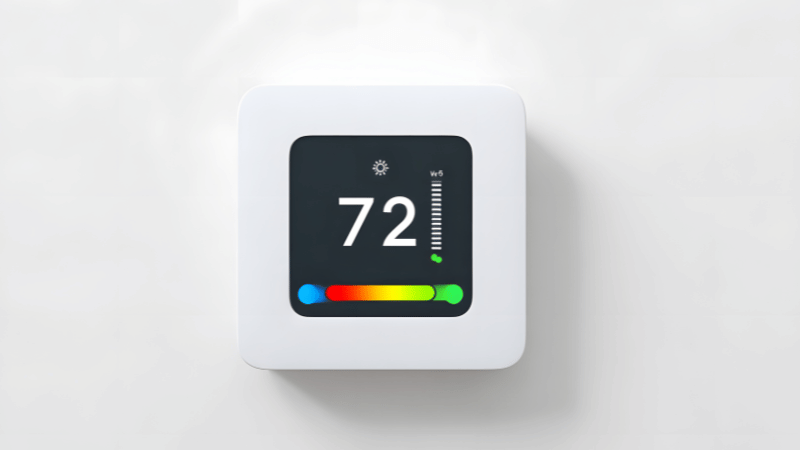
If your furnace isn’t turning on with the thermostat, first check the thermostat settings (Heat mode, temp higher), replace batteries, then check the furnace’s power switch and the home’s circuit breaker, and ensure the gas valve is open (for gas furnaces); if these simple fixes don’t work, it might be a clogged filter, pilot light/ignition issue, or control board problem requiring professional help.
How the Thermostat and Furnace Communicate
A thermostat sends low voltage signals to the furnace that tell it when to start heating. If the thermostat sends the signal but the furnace never responds, something in that communication chain has been interrupted. This disconnect can happen inside the thermostat, along the wiring, or inside the furnace itself.
Before assuming the furnace is broken, it helps to understand that the thermostat is only one half of the system. It can say Heat On even if the furnace never receives the message or cannot act on it.
Thermostat Displays Heat On But the Furnace Stays Silent
When the furnace does not respond, the problem often begins with the thermostat itself. Even small issues can stop the signal from reaching the furnace.
Weak or Dead Batteries
A thermostat can display Heat On even with weak batteries. The screen may work, but the internal components may not send a strong enough signal. Replacing the batteries is one of the simplest first steps.
Internal Thermostat Glitches
Power outages, voltage dips, or recent setting changes may cause the thermostat to lock up or freeze. A quick reset restores the signal in many cases. Some thermostats have a small reset button, while others require removing and reinstalling the batteries.
Incorrect Mode or Temperature Setting
If the thermostat is set to Auto instead of Heat, or if the temperature is set only one degree above room temperature, you may not feel the system respond. Setting the temperature higher helps determine whether the furnace is truly ignoring the command.
Loose Wiring Inside the Wall
Even if the screen works, loose thermostat wires can interrupt the message traveling to the furnace. This problem creates the illusion that Heat On means the system is running, but the furnace never receives the command. A technician can test and secure these wires safely.
Power Issues Inside the Furnace
A furnace that has no power cannot respond to the thermostat, even if the thermostat works perfectly. This is one of the most common reasons the thermostat says Heat On but nothing happens.
Tripped Breaker
A sudden power surge can trip the breaker connected to the furnace. The thermostat continues to function because it uses low voltage, but the furnace remains off. Resetting the breaker may bring the system back immediately. If the breaker trips again, a deeper electrical issue is likely.
Furnace Switch in the Off Position
Every furnace has a switch that controls its power. It looks like a basic light switch. If the furnace was bumped or turned off accidentally, the thermostat will appear normal but the furnace will never start. Turning the switch back on restores operation.
Door Switch Not Engaging
Most furnaces have a safety switch that shuts the system off when the blower door is not closed properly. If the door is loose, the furnace loses power even though the thermostat still shows Heat On. Securing the door makes the furnace respond again.
Safety Features That Block the Furnace From Starting
A furnace contains several safety sensors designed to prevent overheating, gas buildup, or electrical hazards. When one of these sensors detects a problem, it blocks the furnace from turning on even while the thermostat continues to request heat.
High Limit Safety Switch
This switch stops the furnace when temperatures inside the unit become too high. Overheating often comes from airflow problems such as dirty filters or blocked vents. The thermostat continues to say Heat On, but the safety switch prevents operation.
Pressure Switch
This switch monitors air movement in the combustion chamber. If it senses blocked vents or poor draft conditions, the furnace cannot start. This prevents dangerous combustion problems.
Flame Sensor
A dirty flame sensor prevents the furnace from proving flame. The burners cannot ignite, and the system shuts down early. The thermostat does not recognize this problem and continues to display Heat On.
Safety features protect the home and often indicate a developing mechanical issue that needs professional diagnosis.
Ignition Problems Inside the Furnace
Even when power is available and safety sensors allow operation, the furnace still needs a working ignition system to start heating.
Failed Ignitor
Modern furnaces rely on electronic ignitors. When they crack or burn out, the furnace cannot light the burners. You may hear clicking or a brief attempt to start, but the system shuts down without producing heat.
Pilot Light Issues in Older Furnaces
If the pilot light is out or weak, the furnace cannot ignite the burners. The thermostat continues to show Heat On, but the furnace will not respond until the pilot problem is resolved.
Dirty Burners
Dust and buildup on the burners prevent a clean flame. The system attempts to start, senses an improper burn, and shuts off quickly. The thermostat continues requesting heat without knowing the furnace has aborted the cycle.
Airflow Restrictions That Delay Furnace Startup
Airflow is a critical part of the heating process. If airflow is blocked, the furnace may refuse to start or may shut down before heat reaches the home.
Clogged Air Filter
A heavy layer of dust on the filter stops airflow and triggers an overheat condition. The furnace refuses to start because internal temperatures cannot be controlled. The thermostat still shows Heat On because it does not detect heat exchanger issues.
Blocked or Closed Vents
When too many vents are closed, pressure builds inside the duct system. The furnace may attempt to start but stop early to prevent damage. Homeowners often notice this problem when only certain rooms receive airflow.
Damaged or Disconnected Ductwork
Leaks or breaks in the ducts reduce airflow and disrupt the heating cycle. The furnace struggles to maintain proper airflow and may shut off immediately.
Communication Failures Between Thermostat and Furnace
Even if both devices have power, communication between them can still fail.
Faulty Control Board
The control board inside the furnace interprets signals from the thermostat. If the board fails, the furnace either delays startup or ignores the request entirely. The thermostat continues showing Heat On because it cannot detect the control board failure.
Broken Low Voltage Wire
The small wires that connect the thermostat to the furnace can become loose or damaged. Pets, renovations, or simple age can all affect low voltage wiring. When the signal cannot reach the furnace, the thermostat continues working but the heating cycle never begins.
When You Should Call a Professional
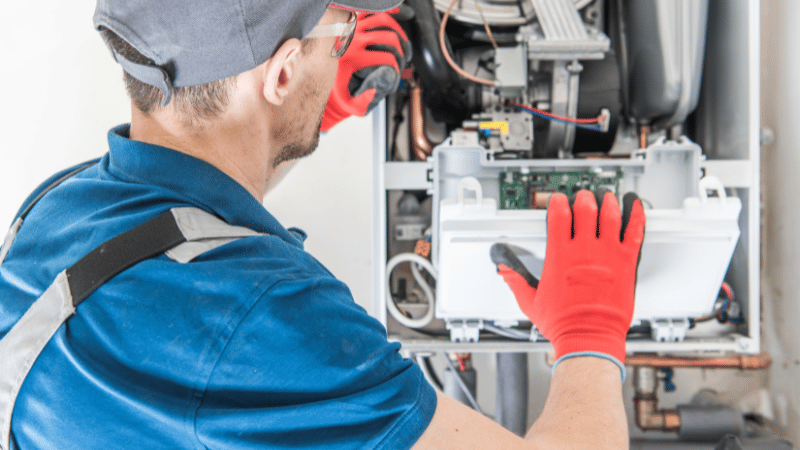
There are several situations where you should stop troubleshooting and call a technician. These include:
- Strange odors during startup
- Repeated breaker trips
- No air movement even when the blower should run
- A furnace that clicks but never ignites
- A thermostat that continues requesting heat with no response
A trained technician can test voltage, examine safety sensors, clean ignition components, check airflow, and confirm whether the control board is working correctly.
On A Final Note;
When your thermostat shows Heat On but the furnace stays quiet, the problem is almost always related to communication loss, safety sensors, airflow restrictions, ignition trouble, or lack of power. In this blog, you learned how to recognize each of these issues and what steps to take before calling for service.
If your home is staying cold even though the thermostat insists the heat is running, Saguaro Air Solutions can diagnose the problem, restore your furnace, and make sure the system responds properly every time you adjust the temperature.
Frequently Asked Questions
Why does my thermostat say Heat On but no warm air comes through the vents
This often means the furnace never received the heating signal or failed during startup. The blower will not run until the burners ignite. A failed ignitor, dirty flame sensor, or faulty control board can all prevent heat from reaching the vents even though the thermostat requests heat.
Can a blown fuse inside the furnace stop it from responding to the thermostat
Yes. Many modern furnaces have internal low voltage fuses that protect the control board. If a fuse blows, the board cannot communicate with the thermostat. Replacing the fuse restores communication, but the underlying cause needs inspection.
Why does my furnace click but never actually turn on
Clicking usually means the furnace is trying to ignite but cannot establish a flame. The issue can come from a weak ignitor, dirty flame sensor, low gas flow, or blocked burners. The thermostat continues to show Heat On because it cannot detect why ignition failed.
Can a smart thermostat cause furnace startup problems
It can. Smart thermostats sometimes require a common wire for stable power. Without it, the thermostat may display Heat On but fail to deliver a consistent signal. Software glitches or low voltage can also disrupt communication with the furnace.
Why does the blower run sometimes but the furnace still does not heat
If the blower runs without heat, the furnace completed the initial command but failed during the ignition stage. The blower may continue running to cool the system. This often points to burner, ignitor, or flame sensor issues.
Should I worry if the furnace starts late after the thermostat requests heat
A slight delay is normal, but long delays mean the furnace is struggling to reach the ignition stage. This can come from airflow issues, pressure switch problems, or sensors preventing startup. A technician can identify which part is responsible.
Does outdoor temperature affect why my furnace will not start
Extremely cold conditions can cause vent frost, pressure switch problems, or airflow imbalances that prevent ignition. This is especially common in systems with side wall vents. Clearing frost and ensuring proper airflow usually resolves the issue.