A furnace that stops working can turn a comfortable morning into a frustrating one. The temperature drops, the system stays silent, and you are left wondering what went wrong. You are not alone. Furnace failures are more common than most people think, and they usually follow patterns that make them easy to diagnose.
In this guide, you will learn the most common reasons a furnace stops working, what each issue looks like, and what you can safely check before calling a technician. The goal is simple. You will understand what is happening inside your system and how to respond without guessing.
Key Takeaways
- A furnace stops working when airflow, power, ignition, or thermostat communication becomes disrupted unexpectedly.
- Dirty air filters cause dangerous overheating that triggers safety shutdowns and prevents consistent home heating performance.
- Thermostat issues such as weak batteries or incorrect settings stop the furnace from receiving essential signals.
- Power problems including tripped breakers or switched off disconnects interrupt the furnace cycle and prevent startup.
- Internal failures like faulty ignitors, blower issues, or damaged heat exchangers require immediate professional diagnosis.
Why Did My Furnace Stop Working
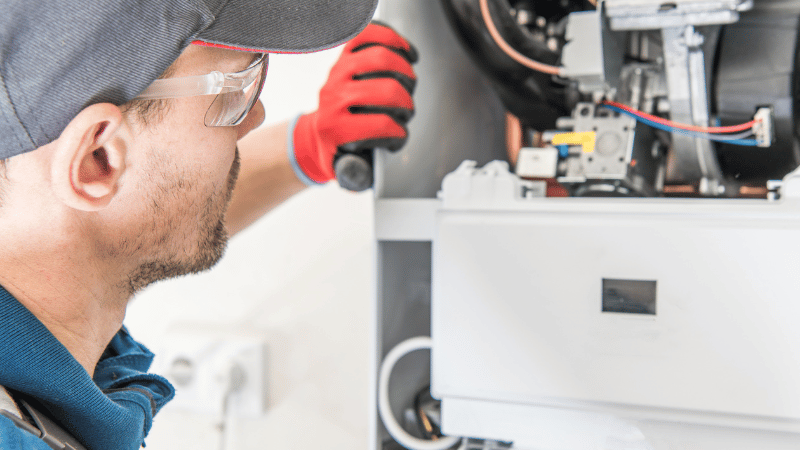
Your furnace likely stopped working due to simple issues like a tripped breaker, dead thermostat batteries, or a clogged air filter, which restrict airflow and cause overheating, or it could be a more complex problem with the pilot light, ignition system, flame sensor, or blower motor; always check power, thermostat, and filters first, as dirty filters are the most common culprit, triggering safety shutdowns.
Understanding How Furnace Breakdowns Happen
A furnace depends on communication, airflow, ignition, safety controls, and stable power. When one of these pieces fails, the entire system can shut down to protect itself. Some issues are minor and easy to correct. Others require a trained technician because they involve internal parts or safety concerns.
A good rule of thumb applies here. If the furnace will not start, shuts off too quickly, or blows cold air, something in the chain has been interrupted. The sections below walk you through each possibility in a structured, practical way.
Thermostat Problems That Stop the Furnace From Running
The thermostat is the starting point for every heating cycle. When it fails or sends the wrong message, the furnace stays off no matter how healthy the rest of the system is.
Incorrect Settings
One of the simplest causes of a non working furnace is a thermostat set to the wrong mode. If the system is set to cooling or the temperature is set lower than the current indoor temperature, the furnace never receives a command to start. Power interruptions can also reset settings without warning.
Dead Batteries
A thermostat that loses battery power stops communicating with the furnace entirely. Homeowners often discover this when the screen goes blank or becomes difficult to read. New batteries restore communication immediately in many cases.
Failing Wiring or Control Communication
If the thermostat screen is flickering or numbers jump around, the wiring inside the wall may be loose. Communication problems between the thermostat and furnace control board prevent heating cycles from starting. This is a quick repair when caught early.
Airflow Problems Caused by a Dirty Filter
A clogged filter is one of the most common reasons a furnace shuts down. The filter catches dust, dander, and debris. Over time, the airflow becomes restricted. When the furnace cannot move air through the system, it overheats. The built in safety switch responds by shutting everything off.
How a Filter Causes a Shutdown
A dirty filter makes the blower work harder. Heat builds inside the furnace because the warm air cannot escape. Once the safety limit switch detects an unsafe temperature, the furnace stops to prevent damage to the heat exchanger.
When to Replace the Filter
A filter should be replaced every one to three months depending on the home, pets, and overall usage. If the filter appears gray or heavily coated, it is already blocking airflow. Once replaced, many furnaces restart normally after cooling down.
Power Issues That Make a Furnace Stop Suddenly
A furnace that loses power cannot turn on, no matter how well the internal parts are working. Power related issues can be sudden, which makes them feel more alarming than they really are.
Tripped Breaker
The electrical panel should always be checked when a furnace stops working. If the breaker is partially tripped or fully off, the furnace has no way to receive power. Resetting the breaker may restore heat immediately. If the breaker trips again, there is an underlying electrical issue that must be inspected.
Furnace Disconnect Switch Turned Off
Many homeowners do not realize their furnace has its own switch near the unit. It looks like a light switch and can be turned off accidentally during cleaning or storage. Turning it back on restores power instantly.
Electrical Component Failure
The furnace contains wires, capacitors, sensors, and a control board. Any failure in these components can interrupt power or prevent the system from starting. These issues require professional testing because they involve exposed voltage and internal circuitry.
Ignition and Pilot Light Failures
A furnace must ignite properly to create the flame needed for heating. When the ignition process fails, the furnace shuts off as a safety response.
Cracked or Failed Ignitor
Modern furnaces use electronic ignitors instead of standing pilot lights. If the ignitor cracks or burns out, the furnace will attempt to start but never ignite. You may hear clicking or notice a short cycle that ends quickly. Replacing the ignitor is a routine repair.
Pilot Light Problems in Older Furnaces
Homes with older systems may still rely on a standing pilot light. A small flame must stay lit at all times. Dirt buildup, drafts, or a failing thermocouple can extinguish the flame. If the pilot goes out repeatedly, the fuel system needs professional attention.
Airflow Blockages Beyond the Filter
Airflow inside the home affects the furnace just as much as airflow inside the unit. When vents or ducts become blocked, the furnace cannot distribute heat and may shut down.
Closed or Blocked Vents
Closing too many vents or blocking them with furniture prevents heat from moving through the home. This creates pressure inside the ducts and forces the furnace to work harder than it should. Eventually the system overheats or shuts off early.
Damaged or Dirty Ductwork
Ducts can sag, collapse, or disconnect over time. They can also collect dust and debris. When multiple rooms have weak airflow, the duct system may be the cause. Correcting these issues restores airflow and reduces strain on the furnace.
Internal Component Failures
A furnace uses several safety switches and internal parts that work together to control temperature and airflow. When any of these parts fail, the furnace shuts down to protect itself.
Overheating Heat Exchanger
The heat exchanger must stay within a safe temperature range. If it overheats, the furnace stops immediately. A cracked heat exchanger is a serious safety concern and should never be ignored.
Blower Motor Problems
The blower pushes warm air into the home. If the motor slows down, becomes noisy, or stops turning, the furnace overheats and shuts off.
Faulty Limit Switch
The limit switch monitors internal temperature. If it malfunctions, it may shut the furnace down too early or keep it from starting.
When the Furnace Stops Working All of a Sudden
A sudden shutdown often points to issues that change quickly. The three most common causes are:
- A power interruption that resets the system
- A filter that has become blocked faster than expected
- A thermostat that has lost communication
Sudden failure rarely means the entire furnace is ruined. It usually indicates that a part is wearing down or a safety sensor has detected a problem that needs checking.
When You Should Call a Professional
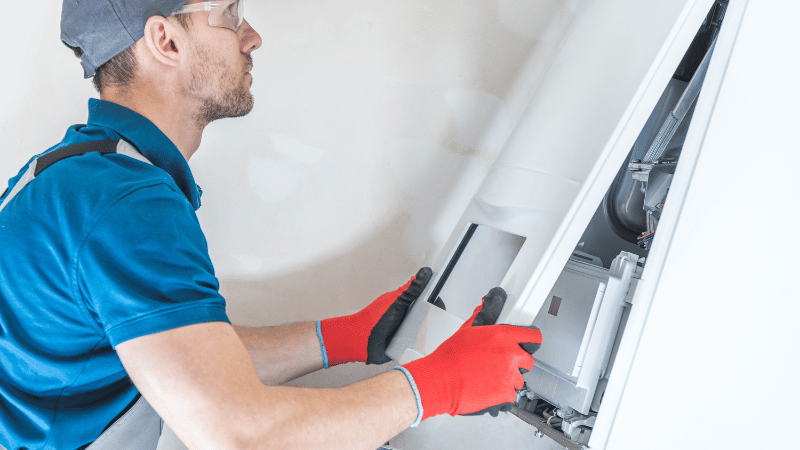
Homeowners can safely check a few things before scheduling service. These include thermostat settings, filter condition, breaker position, and the furnace switch. If the furnace still refuses to start, shuts off repeatedly, or blows cold air, the problem is internal.
Professional service becomes essential when you notice:
- Burning odors
- Repeated breaker trips
- Pilot issues
- Unusual noises
- Gas smells
- Short heating cycles
These symptoms point to deeper mechanical or safety related problems that require professional tools and training.
Final Thoughts
A furnace that stops working can feel overwhelming, but most causes follow predictable patterns. When you understand how airflow, power, ignition, and safety controls work together, it becomes easier to identify what is happening inside your home. In this guide, you learned the most common reasons for furnace failure and the steps you can take before calling for help.
If your furnace still refuses to start or keeps shutting off, Saguaro Air Solutions can diagnose the issue and restore your heating system with precision and care. A dependable furnace keeps your home comfortable and safe through the colder months.
Frequently Asked Questions
Why does my furnace make a burning smell when it first turns on
A light burning smell at the start of the season usually comes from dust on the heat exchanger. This dust burns off during the first few heating cycles. If the smell is strong, lasts longer than a few minutes, or returns regularly, the system may have an electrical issue or overheating problem that needs inspection.
Why is my furnace running but not blowing enough warm air
Low airflow can come from blocked ducts, slipping blower belts, or a blower motor losing speed. A professional can measure airflow, check the blower assembly, and confirm the ducts are open and sealed properly. Weak airflow often points to a mechanical issue developing inside the system.
Why does my furnace turn on at night even when the thermostat is set low
Many thermostats have built in temperature swing settings that allow small drops before triggering heat. If the swing is narrow, the furnace cycles more frequently. A technician can adjust this setting or recommend a thermostat that provides steadier temperature control.
Why does my furnace keep running after the house reaches the right temperature
When the furnace continues blowing after a heat cycle, the fan setting may be set to On instead of Auto. If the setting is correct and the fan still runs, the limit switch or control board may be stuck in a running mode that requires repair.
Can a clogged drain line stop my furnace from working
Yes. High efficiency furnaces produce condensation that must drain properly. If the drain line clogs, water backs up and a safety switch shuts the furnace down. Clearing the blockage restores operation and prevents internal water damage.
Why does my furnace rattle or vibrate before shutting off
Rattling often comes from loose panels, loose blower mounts, or debris inside the housing. If the vibration triggers a shutdown, a failing blower motor or imbalance in the wheel may be the cause. Mechanical vibration should always be checked quickly to prevent further damage.
Can my furnace stop working because of a dirty flame sensor
Yes. A dirty flame sensor prevents the furnace from proving flame and causes immediate shutdown. The system thinks the flame is unsafe even when the burners are working. Cleaning or replacing the sensor solves the issue and is part of standard maintenance.
Why does my furnace keep turning off after a few seconds
Short cycling often comes from overheating, restricted airflow, faulty sensors, or incorrect gas pressure. The furnace protects itself by stopping the cycle early. A technician can check the airflow, test sensors, and confirm safe gas delivery.