
A thermostat that shows a much higher temperature than your home actually feels can be frustrating. You might adjust the settings repeatedly, only to find that the room never matches what the thermostat claims. Many homeowners assume the HVAC system is failing, yet the thermostat is often the true source of the problem.
In fact, thermostat accuracy issues are among the most common comfort complaints during both the heating and cooling seasons.
In this blog, you will learn why thermostats read higher than the real indoor temperature, how to identify a true accuracy problem, and the practical steps that restore proper comfort. With the right information, you can correct the issue and keep your HVAC system running smoothly.
Key Takeaways
- A thermostat can read higher when poor placement, airflow issues or failing sensors distort temperature detection.
- Sunlight, electronics and warm wall cavities create false heat that causes early HVAC shutoffs.
- Sudden temperature jumps or inconsistent comfort levels indicate a real thermostat accuracy problem.
- Cleaning, recalibrating and improving airflow often restores accurate thermostat readings.
- A technician can diagnose wiring issues, sensor failures or placement problems that affect temperature control.
Why Your Thermostat Reads Higher Than the Actual Temperature
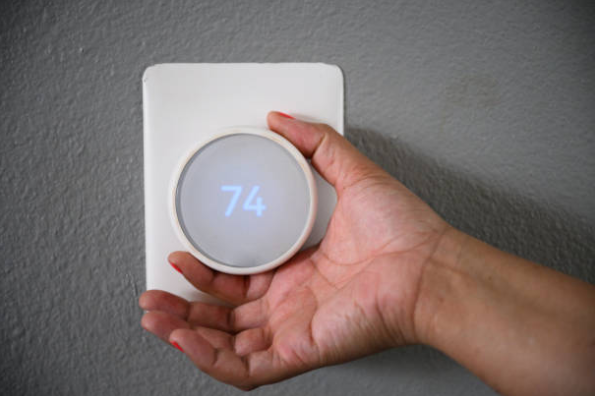
When a thermostat displays an inflated temperature, it is usually detecting heat from sources that do not represent the actual indoor conditions. Placement, airflow, sensor issues and wiring problems all influence how the thermostat interprets temperature. Understanding these factors makes the problem much easier to diagnose.
Many homeowners are surprised to learn that the thermostat senses only the conditions in the small area around it. If anything warms that space artificially, the entire system follows that false reading. This leads to early shutoffs, uneven heating, and a home that never reaches the comfort level you expect.
Poor Thermostat Placement
A thermostat installed in the wrong location will always give inaccurate readings. Here are common placement problems that cause the thermostat to read higher than the actual temperature:
- Direct sunlight warming the thermostat face during daylight hours
- Placement on an exterior wall that heats up from outdoor conditions
- Heat released from nearby televisions, lamps or small appliances
- Warm air blowing directly toward the thermostat from a supply vent
- Limited airflow due to furniture or décor positioned close to the unit
When a thermostat is influenced by heat sources that do not reflect the rest of your home, the displayed temperature becomes misleading and interrupts proper heating or cooling cycles.
Dirty or Failing Temperature Sensor
Inside every thermostat sits a small temperature sensor. When this sensor collects dust or begins to fail, it struggles to measure accurately. Dust traps warm air around the sensor, which creates a reading several degrees higher than reality. Over time, the sensor may drift so far off that HVAC cycles no longer match your comfort needs.
You may notice slow reactions, large temperature jumps or delayed heating. This usually means the thermostat has trouble reading indoor air correctly. Cleaning can help, but a worn sensor may need replacement.
Faulty Wiring or Loose Connections
Thermostats depend on low voltage wiring to communicate with your HVAC system. When wiring becomes loose or damaged, temperature readings can fluctuate and climb without reason. Electrical resistance may cause the thermostat to think the surrounding air is warmer than it truly is. In some cases, a faulty connection creates short bursts of power that lead to inconsistent readings.
If the screen flickers, loses power at random or if heating cycles start and stop unexpectedly, the wiring behind the thermostat should be inspected. A technician can diagnose electrical problems safely and confirm whether the thermostat needs repair or replacement.
Heat Transfer Through the Wall Behind the Thermostat
Many people do not realize how easily heat can travel through walls. A thermostat mounted on a warm wall will show a temperature that does not reflect the actual room. This can happen when sunlight warms the exterior of the home, attic heat radiates downward or warm plumbing lines run behind the wall cavity.
In these situations, the thermostat displays a higher temperature even though the surrounding space feels much cooler. The problem becomes more noticeable in the afternoon or on sunny winter days when wall temperatures rise.
Incorrect Thermostat Settings or Calibration
Some thermostats need periodic calibration to stay accurate. Over time, the internal reading may drift a few degrees higher than the true temperature. When this happens, the thermostat believes the home has reached the set point and shuts the system down too early. Certain settings such as temperature swing or programmed schedules may also interfere with accuracy.
A thermostat that jumps several degrees within minutes, changes temperature without input or displays inconsistent values likely needs recalibration or a reset. Smart thermostats may require software adjustments to restore accuracy.
Airflow Problems Around the Thermostat
Airflow plays a big role in thermostat accuracy. If warm air blows toward the thermostat or collects around it, the sensor will detect heat that does not represent the rest of the home. Blocked vents, closed doors or narrow hallways can trap heat around the thermostat and influence the reading.
Improving airflow allows the thermostat to measure air that circulates naturally through the space, which supports more accurate temperature control.
Signs Your Thermostat Is Truly Inaccurate
Some temperature variation is normal, but several signs reveal when the thermostat is not reading correctly. These warning signs help you determine when the issue is affecting comfort.
- Your HVAC system shuts off before the home reaches the desired temperature
- Rooms feel noticeably cooler than what the thermostat displays
- Temperature readings jump suddenly without adjustments
- The system runs short cycles or turns on and off rapidly
- The thermostat display does not change even when the indoor temperature does
When these symptoms appear together, the thermostat is no longer responding accurately to indoor conditions.
How to Fix a Thermostat That Reads Higher Than Actual Temperature
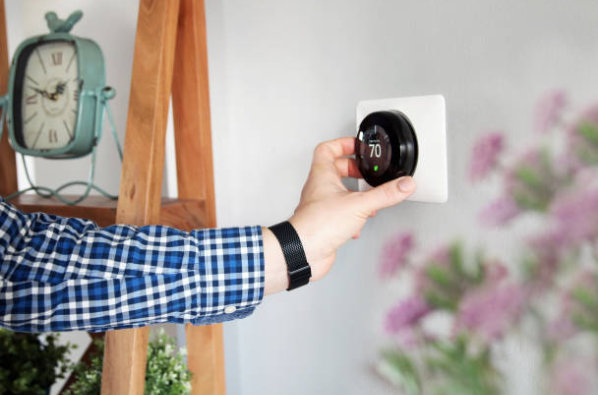
Some thermostat problems are simple to fix on your own, while others require a technician. The steps below address common accuracy issues.
- Clean the thermostat to remove dust that traps heat around the sensor
- Check for lamps, televisions or other heat sources near the thermostat and relocate them if needed
- Replace the thermostat batteries to restore strong signal power
- Recalibrate or reset the thermostat if the reading drifts several degrees
- Improve airflow around vents and return air grilles to stabilize indoor temperature
- Evaluate whether the thermostat is installed in a poor location and consider relocating it
If these steps do not restore accurate readings, the thermostat may have internal electrical or sensor failure that requires professional diagnosis.
When to Call a Professional HVAC Technician For Thermostat Issue
Some thermostat issues extend beyond simple troubleshooting. A professional should evaluate the system if inaccurate readings continue after cleaning, resetting or adjusting placement. Persistent accuracy problems often indicate deeper issues such as wiring failures, wall heat transfer, failing sensors or compatibility problems with the HVAC equipment.
A technician can test the thermostat, verify voltage, evaluate placement, inspect wiring and determine whether the device or the HVAC system is causing the temperature discrepancy. Saguaro Air Solutions provides thorough thermostat diagnostics and ensures your system responds correctly to your comfort needs.
How to Prevent Thermostat Accuracy Problems
Thermostat performance improves significantly with preventive care. Keeping the thermostat clean, maintaining good airflow and avoiding heat sources nearby all support accurate readings. Replacing batteries yearly helps prevent power fluctuations. Seasonal HVAC maintenance ensures the thermostat communicates correctly with the system and reacts to temperature changes as intended.
These small steps help your thermostat maintain accurate temperature readings year round and allow your HVAC system to run efficiently.
On A Final Note;
A thermostat that reads higher than your home’s actual temperature can disrupt comfort and confuse your HVAC system. Most causes are manageable, and once the true source is identified, the solution becomes straightforward. When in doubt, a professional inspection ensures accurate readings and reliable system performance.
Saguaro Air Solutions can diagnose thermostat issues, adjust system settings and restore precise temperature control so your home stays comfortable throughout the year.
Frequently Asked Questions
Why does my thermostat read higher than the temperature in the room?
This usually happens when the thermostat senses heat from sunlight, electronics or warm wall cavities. These factors make the thermostat believe the room is hotter than it is. Cleaning, adjusting placement or recalibrating the thermostat often restores accuracy.
Can a dirty thermostat really affect the temperature reading?
Yes. Dust traps heat inside the thermostat and interferes with the sensor. This can cause temperature readings to drift several degrees higher than the actual room temperature. Cleaning the sensor area improves airflow and helps the thermostat measure indoor conditions correctly.
How do I know if my thermostat needs to be recalibrated?
You may notice the system turning off too early, inaccurate temperature swings or a room that feels cooler than the displayed reading. These signs suggest calibration drift. Resetting to factory settings or using the calibration feature often corrects the issue.
Can thermostat wiring cause incorrect temperature readings?
Faulty wiring or loose connections can cause electrical interference that affects temperature readings. The thermostat may receive irregular signals that distort the displayed temperature. A technician can inspect and secure the wiring to ensure accurate communication with your HVAC system.
Should I replace or relocate my thermostat if it keeps misreading?
If the thermostat is installed in a poor location such as a sunny wall, near appliances or near warm air pockets, relocation may be necessary. If recalibration, cleaning and troubleshooting do not improve accuracy, replacing the thermostat may offer a more reliable solution.