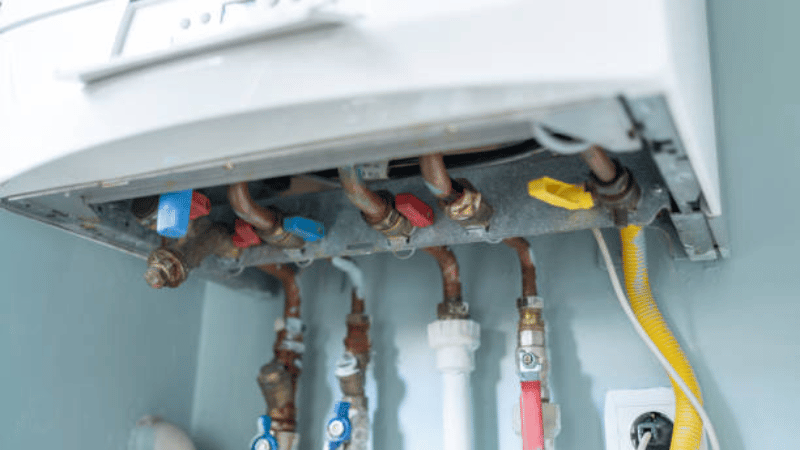
Most homeowners only think about their furnace when something goes wrong. The heat turns off. The air feels weak. The system makes a strange sound. These moments can feel stressful, but they are also avoidable when the furnace receives regular care. Routine service keeps the system running safely, efficiently, and reliably throughout the colder season.
In this blog, you will learn how often your furnace needs professional maintenance, the signs your system is overdue, and why annual service matters more than people realize. A little attention each year can add comfort, reduce repair costs, and extend the life of your entire heating system.
Key Takeaways
- Professional furnace service once yearly prevents breakdowns, improves efficiency, and keeps your home consistently comfortable.
- Homes with pets, older systems, or high usage patterns benefit from maintenance performed twice every year.
- Rising energy bills or unusual furnace noises are early warnings that maintenance should be scheduled sooner.
- Annual tune ups reduce long term repair costs by identifying small issues before expensive failures occur.
- Regular furnace care extends system lifespan, increases safety, and supports cleaner indoor air for your household.
How Often Should You Service Your Furnace
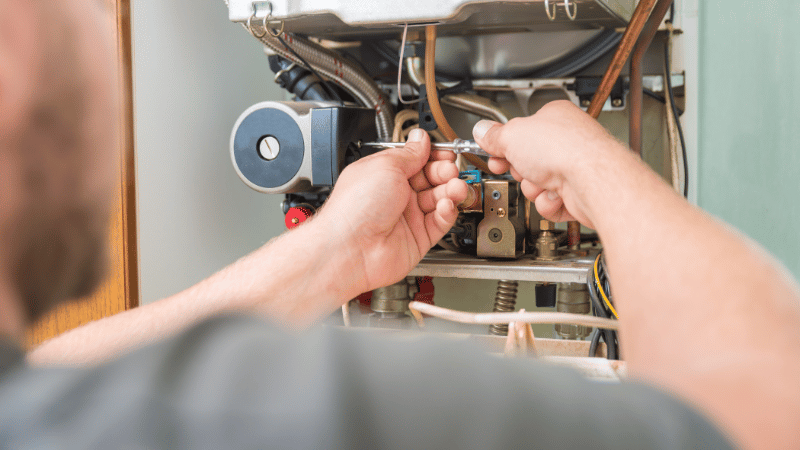
You should service your furnace at least once a year, ideally in the fall before the heating season starts, for peak efficiency, safety (like checking for carbon monoxide), and to maintain warranty, but older units (10+ years) or homes with pets might benefit from twice-yearly checks or more frequent filter changes.
Why Furnace Maintenance Matters
A furnace works through a combination of heat, airflow, electrical components, and safety controls. When dirt collects, parts loosen, or sensors lose accuracy, the furnace begins to struggle. You may not notice it immediately, but the system works harder to produce the same amount of heat. This increased strain leads to higher energy bills and a greater chance of breakdowns.
Maintenance prevents these problems by cleaning, inspecting, and adjusting every key part of the system. A professionally serviced furnace lasts longer, performs better, and keeps energy costs in check. It also runs safely, which is especially important when dealing with gas powered systems.
How Often You Should Service Your Furnace
Most furnaces need professional service once a year. This annual tune up keeps your system prepared for the colder season and gives a technician the chance to find small problems before they become expensive repairs. The best time for service is early fall, but any time before heavy winter use is beneficial.
Some homes may require more frequent service. Factors like lifestyle, usage patterns, pets, indoor air quality, and system age can influence how often your furnace needs attention. While once a year is the standard, not every home operates under the same conditions.
Homes That Benefit From Twice a Year Furnace Service
Not every household needs two tune ups a year, but certain situations make more frequent maintenance helpful. A furnace used heavily or exposed to large amounts of dust, hair, or contaminants may require additional care.
Here are scenarios where twice a year service makes sense:
Older Heating Systems
Furnaces over fifteen years old are more sensitive to wear. Extra service keeps the system safe and reduces the chance of unexpected shutdowns.
Homes With Pets
Pet hair and dander reach the furnace filter and internal components quickly. Frequent maintenance helps keep airflow strong and reduces overheating risks.
Households With Allergies or Asthma
Cleaner internal components improve air quality. Regular tune ups support healthier indoor air.
High Usage Homes
If your furnace runs for long hours each day during winter, more frequent service prevents strain from seasonal demand.
Dusty or High Traffic Homes
Construction work, nearby desert environments, and busy households lead to faster buildup inside your furnace.
If any of these apply to your home, scheduling service every six months ensures consistent performance.
What Happens During Furnace Service
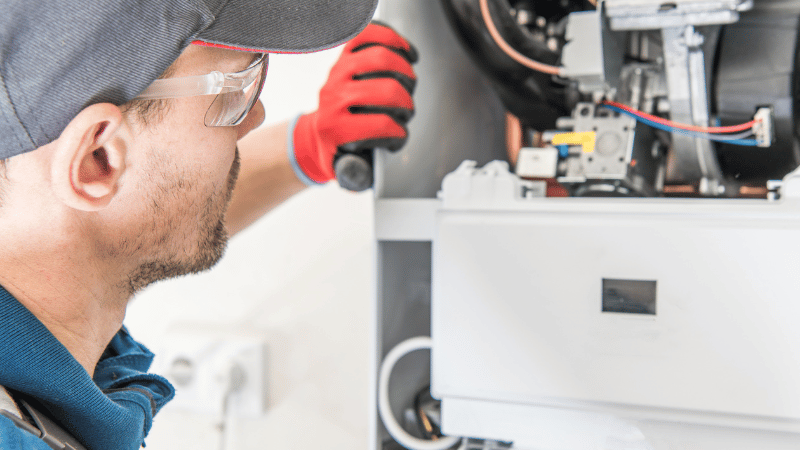
A professional tune up is more than a quick cleaning. It involves a full inspection of the heating system. Each component is tested, adjusted, and cleaned to ensure safe operation and maximum efficiency.
Here is what a technician typically performs during a full furnace tune up:
- Inspection of the heat exchanger for safety
- Testing of ignition components
- Cleaning of burners
- Lubrication of moving parts
- Inspection of wiring and electrical connections
- Testing of safety switches
- Measuring system airflow
- Checking thermostat communication
- Examining the blower assembly
- Ensuring proper venting and drainage
This level of detail helps technicians spot weakened parts or early signs of failure long before they turn into emergency service calls.
Signs Your Furnace Needs Service Sooner
Even with regular maintenance, your furnace may show signs that it needs attention earlier than scheduled. Paying attention to unusual behavior helps prevent bigger issues.
Here are the most common warning signs:
Unusual Noises
Grinding, rattling, buzzing, or booming sounds signal a mechanical problem or airflow issue.
Rising Heating Bills
If your energy bills increase with no change in usage, the furnace may be struggling.
Weak or Uneven Airflow
When airflow drops in certain rooms, something inside the system may need adjustment or cleaning.
Frequent Cycling
If the furnace starts and stops constantly, it may be overheating or having trouble regulating temperature.
Burning or Musty Smells
These smells often indicate dust buildup, electrical issues, or mold in the ductwork.
Slow Startup
If the furnace takes longer than usual to ignite or respond to the thermostat, service is needed.
Responding quickly prevents wear and keeps the system operating safely.
How Regular Service Saves You Money
Many homeowners delay maintenance because the furnace seems to work fine, but lack of attention often leads to repairs that cost far more than a tune up.
Here is how regular service helps your budget:
Lower Energy Bills
A clean and well adjusted furnace uses less energy to heat your home. This reduces monthly heating costs.
Fewer Repairs
Technicians find small problems early. Catching issues before they grow prevents breakdowns and expensive emergency calls.
Longer System Life
Furnaces that receive consistent maintenance last several years longer than systems that go without care.
Better Air Quality
Cleaner components mean cleaner air. You can avoid filter overload, dust circulation, and unnecessary strain on the system.
Maintenance offers long term savings and steady comfort through the cold season.
When to Schedule Furnace Service Each Year
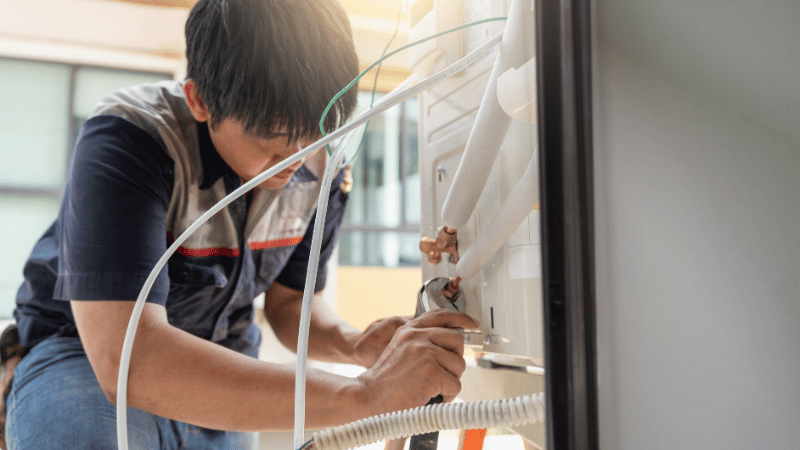
Although you can service a furnace at any time, the best schedule follows a simple pattern.
Early Fall
Service in early fall prepares your furnace for the first cold night. The system receives fresh cleaning, improved airflow, and a performance check before heavy seasonal use. If any repairs are needed, you can complete them before winter begins.
Mid Season Checkups
If you live in a home with pets, allergies, or heavy furnace use, a mid season checkup ensures ventilation stays strong and internal parts remain clean.
System Aging
As the furnace reaches ten years of age, regular tune ups become more important. Older systems need more monitoring to stay reliable and safe.
Following a predictable annual routine protects your home from sudden winter breakdowns.
Should You Try Servicing the Furnace Yourself
Homeowners can replace filters, clean vents, and keep the area around the furnace clear. These tasks support efficiency and airflow. However, full maintenance requires professional tools and training. Internal furnace components involve electrical parts, flame sensing equipment, and high temperatures. A technician ensures all safety controls work correctly and the system operates according to manufacturer standards.
DIY work beyond basic cleaning can create risks or void warranties. Professional service remains the best approach for long term safety and performance.
Wrapping Up:
Furnace maintenance is one of the most effective ways to keep your home warm, safe, and efficient throughout winter. In this blog, you learned how often your system needs service, why annual tune ups matter, and what signs show that your furnace needs attention sooner. Regular care prevents breakdowns, improves performance, and extends the life of your heating system.
If your furnace has not been serviced this year or is showing early warning signs, Saguaro Air Solutions can help bring it back to peak performance with a complete professional tune up.
Frequently Asked Questions
Can skipping yearly maintenance damage my furnace
Yes. Dirt buildup, weak components, and restricted airflow cause the furnace to work harder than intended. This strain shortens the life of the system and increases the chances of expensive failures during the coldest part of winter.
Does a furnace need service even if it seems to be working normally
It does. Normal operation does not mean internal components are clean or performing at full efficiency. Many issues start quietly and can only be spotted through a professional inspection before they grow into breakdowns.
How long does professional furnace maintenance usually take
Most tune ups take between thirty minutes and one hour. The exact time depends on the system age, maintenance history, and condition of internal components. Older or heavily used furnaces may require additional adjustments.
Will regular furnace maintenance help with indoor air quality
Yes. A clean furnace prevents dust, dander, and debris from circulating through the home. Technicians also ensure proper airflow and healthy combustion, which helps keep indoor air fresh and reduces breathing irritation.
Is fall really the best time to schedule furnace maintenance
Fall service prepares the system before temperatures drop and heating demand increases. Completing maintenance early ensures you catch problems before winter and reduces the chance of emergencies during the coldest months.
Do newer furnaces still need yearly service
They do. Even modern systems require cleaning, safety checks, and performance testing. Newer furnaces include sensitive sensors and components that benefit from regular inspection to maintain warranty protection and peak efficiency.
Can I extend the time between tune ups if I replace the filter often
Replacing filters helps, but it does not replace full service. Internal components, electrical parts, burners, and safety sensors still need annual attention to maintain safe and efficient operation.