A furnace problem can create a stressful moment. You hear a strange sound. The heat stops. The system starts and stops without warning. When this happens, the first question many homeowners ask is simple. Should I repair the furnace or is it time to replace it?
In this blog, you will learn how to tell when a repair is enough, when a replacement makes more sense, and how professionals evaluate the condition of your heating system. Understanding these factors helps you make a confident choice without guessing or overspending.
Key Takeaways
- Repairing makes sense when the furnace is younger, well maintained, and the issue is minor.
- Replacement becomes smarter when age, efficiency loss, and repeated breakdowns increase long term operating costs.
- Furnace repairs are worthwhile when costs stay below one third of a new system’s price.
- Systems older than fifteen years usually benefit more from replacement due to declining reliability and safety.
- Professional assessments consider age, efficiency, safety, and mechanical condition before recommending repair or replacement.
Furnace Repair vs Replace
Deciding between furnace repair and replacement hinges on age, cost, and efficiency: repair is often better for newer (under 10-15 years) systems with minor issues, extending life by 1-3 years, while replacement makes sense for older units (15+ years) or when repairs exceed 50% of a new unit’s cost, offering 15-20+ years of high efficiency (90%+ AFUE), lower bills, and better comfort. Key factors include the unit’s age (15 years is a common benchmark), frequent breakdowns, safety concerns (like a cracked heat exchanger), and significant energy savings from modern, high-efficiency models.
Why the Repair or Replace Decision Matters
A furnace is one of the most important systems in your home. It affects comfort, safety, efficiency, and long term energy costs. When something goes wrong, choosing repairs when a replacement is needed leads to repeated breakdowns and growing expenses. On the other hand, replacing a furnace that still has many years left can create unnecessary costs.
The goal is to strike the right balance. A professional technician considers age, performance, safety, and overall condition. With the right information, homeowners can make decisions that protect comfort and budget.
When Repairing the Furnace Is the Better Choice
Most furnace problems can be repaired quickly and affordably. Not every breakdown means the system is finished. In many cases, repairing a single component restores full performance.
Here are the most common situations where repairing your furnace is the best option.
The System Is Less Than Ten Years Old
Younger furnaces still have many reliable years ahead of them. Replacing a part such as an ignitor, sensor, or motor is usually more cost effective than installing a new system.
The Problem Is Minor and Inexpensive
Issues like clogged filters, dirty flame sensors, loose wiring, or worn belts are simple repairs. These problems do not indicate deeper failure inside the furnace.
The Furnace Has a Strong Maintenance History
A system that has been cleaned and checked regularly tends to last longer. If the furnace has been serviced each year, repairing small problems makes sense because the overall system is healthy.
The Repair Cost Is Low Compared to Replacement
If the repair cost is under about one third of the price of a new system, repairing is usually the better choice.
The Furnace Still Heats the Home Consistently
If comfort inside the home has been stable and airflow remains strong, the furnace likely still has good life remaining. A single repair can bring it back to full performance.
When Replacing the Furnace Is the Better Choice
Even well maintained systems eventually reach a point where replacement becomes the smarter and more economical option. A furnace that is failing repeatedly or operating inefficiently can cost more in the long run than a new unit.
Here are the signs that replacement may be the better decision.
The Furnace Is Fifteen Years or Older
Most furnaces last between fifteen and twenty years. Once the system passes the fifteen year mark, repairs become more frequent. Efficiency drops and safety concerns increase. A new furnace provides better performance and lower energy bills.
Repairs Are Becoming Frequent
If you have repaired the furnace two or more times in a short period, there may be underlying issues that will continue causing trouble. Repeated repairs add up quickly and still do not guarantee long term reliability.
Repair Costs Exceed One Third of Replacement Cost
When a repair approaches forty percent or more of the cost of a new system, investing in a replacement makes more sense. You gain reliability, efficiency, and a full warranty.
Energy Bills Are Rising
A furnace that struggles to maintain temperature consumes more energy. If your heating bills have climbed without any change in usage, the system may be losing efficiency. A replacement resolves this issue and lowers long term costs.
Uneven Heating Throughout the Home
If some rooms stay warm while others stay cold, the furnace may no longer deliver strong airflow or consistent heat. Replacing the system restores comfort and prevents future performance problems.
Safety Concerns Are Present
A cracked heat exchanger, strong burning smells, or repeated overheating are serious concerns. A replacement protects your home and ensures safe operation.
How Professionals Decide Between Repair or Replacement
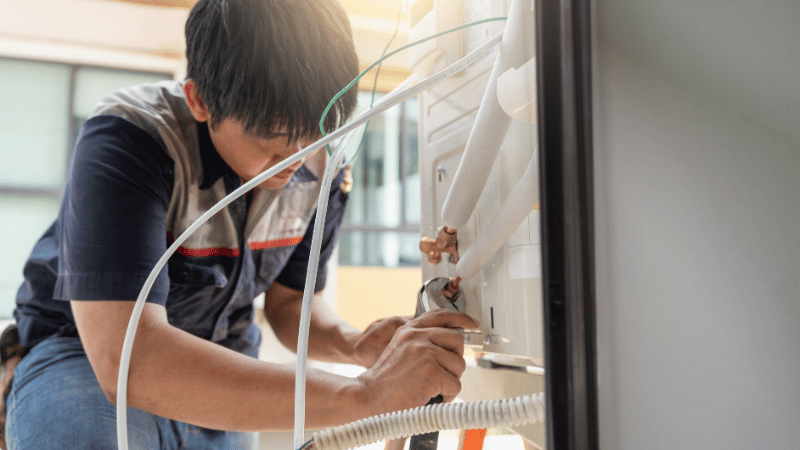
Homeowners often wonder how technicians determine whether repair or replacement is the better choice. Professionals follow a structured evaluation process based on the furnace’s age, condition, safety, and performance.
Here is what the technician looks for.
Age of the Furnace
Younger systems almost always qualify for repair. Older systems require a deeper assessment because efficiency and safety decline over time.
Condition of Key Components
Technicians inspect the heat exchanger, blower motor, pressure switch, ignitor, control board, and wiring. If several components show signs of wear, replacement is recommended.
History of Breakdowns
A pattern of repeated failures indicates a furnace nearing the end of its usable life. This helps predict future performance.
Efficiency Level
Older furnaces operate at lower efficiency compared to modern models. A technician will compare current efficiency to potential savings with a new unit.
Safety Status
If any safety concern is detected, such as cracks, improper combustion, or repeated overheating, the technician recommends replacement to protect the home.
With these factors combined, homeowners receive a clear explanation of the best path forward.
Benefits of Replacing an Old Furnace
A new furnace is a major investment, but the benefits often outweigh the cost when a system is old or failing.
Here are the advantages homeowners notice after replacing a furnace:
Lower Energy Bills
Modern furnaces use advanced technology that produces more heat using less fuel. This leads to long term savings.
Better Comfort
A new system distributes heat more evenly and responds more accurately to thermostat changes.
Quieter Operation
Newer furnaces run with smoother, quieter motors and improved blower technology.
Improved Air Quality
A new unit reduces dust circulation and improves filtration, especially for homes with allergies or pets.
Fewer Repairs
A new system eliminates the cycle of breakdowns and unexpected repair costs.
Increased Home Value
A modern furnace is a selling advantage and reduces inspection concerns for potential buyers.
When Repairing One Last Time Makes Sense
There are times when homeowners prefer to repair an old furnace even if replacement would be ideal. This is common when the breakdown occurs during a financial transition, during the holidays, or while planning for a future upgrade.
A technician can often perform a safe temporary repair that keeps the system running until the homeowner is ready for full replacement. This approach works when the repair is minor, the safety of the system is confirmed, and the furnace can operate reliably for a few more months.
How to Decide What Is Best for Your Home
Choosing between repairing and replacing your furnace comes down to a few simple questions.
- Is my furnace older than fifteen years
- Have I repaired it more than once in the last year
- Are my heating bills rising
- Is the system struggling to keep the home warm
- Do any safety concerns exist
- Is the repair approaching half the cost of a new furnace
If one or more answers point toward replacement, installing a new furnace may be the smarter long term decision. If your furnace is younger, well maintained, and experiencing its first issue, a repair usually makes the most sense.
Final Thoughts
Furnace problems always bring a moment of uncertainty, but understanding the repair versus replace decision makes everything easier. In this blog, you learned when a repair is enough, when replacement provides better value, and how professionals guide the choice with safety and performance in mind. A reliable furnace keeps your home comfortable and your energy bills steady, and the right decision ensures both.
If you are unsure whether to repair or replace your furnace, Saguaro Air Solutions can evaluate your system and provide clear guidance based on its age, condition, and long term value.
Frequently Asked Questions
Is it worth repairing a furnace that is more than fifteen years old
In most cases, no. Older furnaces experience declining efficiency, frequent breakdowns, and greater safety risks. Even if repairs are possible, the long term cost of repeated service often exceeds the value of installing a new system. Replacement usually provides better comfort, reliability, and energy savings.
What furnace repairs are considered minor and worth doing
Repairs such as replacing ignitors, sensors, belts, or flame sensors are affordable and effective. These repairs address common issues without affecting the overall life of the system. When the furnace is younger or well maintained, minor repairs restore performance quickly.
How do I know if a repair quote is too high
Compare the repair cost to the cost of a new system. If the repair approaches one third or more of replacement cost, investing in a new furnace typically makes more financial sense. A second opinion can also help confirm the diagnosis.
Can a furnace be repaired safely if the heat exchanger is cracked
No. A cracked heat exchanger is a serious safety issue. It can allow harmful fumes into the home. This type of failure cannot be safely repaired, and replacement is the only reliable option.
Do newer furnaces last longer than older models
Yes. Modern furnaces use advanced components, improved safety sensors, and higher efficiency designs. They tend to experience fewer breakdowns and offer better performance over time. Regular maintenance keeps them running at their best for many years.
Will replacing my furnace lower my energy bills
In most cases, yes. Newer systems use less energy to produce the same amount of heat. Improved airflow, cleaner combustion, and better temperature control contribute to noticeable savings throughout the winter season.
Can frequent repairs be a warning sign that my furnace is failing
Yes. If you have repaired your furnace more than once in a short period, it may be reaching the end of its life. Repeated breakdowns often indicate internal wear that will continue to cause failures.