If your furnace overheats, it is not just running hot; it is responding to a condition that pushes it beyond safe operating limits. Many homeowners first notice the issue when the system shuts off unexpectedly, blows very hot air for short periods, or starts cycling on and off frequently. An overheating furnace is not something to ignore.
The system is designed to protect itself, and when it repeatedly shuts down, it is signaling that something needs attention.
In this guide, we will explain why a furnace overheats, what warning signs to watch for, and what steps you can safely take before scheduling service.
Key Takeaways
- Furnace overheating is usually caused by restricted airflow or mechanical strain.
- A clogged air filter is the most common overheating trigger.
- The high limit switch shuts the system down to prevent damage.
- Repeated short cycling increases wear and reduces efficiency.
- Early inspection prevents costly heat exchanger or blower damage.
Why Is My Furnace Overheating?
A furnace overheats when restricted airflow, internal mechanical problems, or system imbalance cause temperatures inside the heat exchanger to rise too high, triggering the high limit safety switch.
The high limit switch is a protective device. It monitors internal temperatures and shuts off the burners when heat builds beyond safe levels. This prevents damage to the heat exchanger and reduces safety risks. When overheating occurs repeatedly, the furnace will continue to cycle off before completing a full heating cycle. While the system may still produce some heat, performance drops and efficiency suffers.
How a Furnace Protects Itself from Overheating
Modern furnaces include built in safeguards to prevent serious damage.
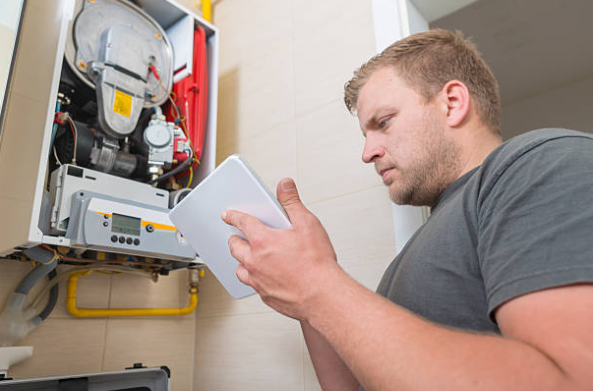
The heat exchanger is where combustion gases transfer heat to the air circulating through your home. If airflow is restricted, heat remains trapped inside the exchanger instead of moving through the ducts. This raises internal temperature quickly.
The blower motor plays a critical role in moving warm air away from the heat exchanger. If the blower is weak or delayed, heat accumulates faster than it should.
The high limit switch monitors temperature inside the system. When it detects excessive heat, it shuts off the burners but allows the blower to continue running. This cools the system before another heating attempt begins.
If overheating continues, the furnace will repeatedly shut down to protect itself. That pattern is a warning sign, not a random malfunction.
6 Common Causes of Furnace Overheating
Most overheating problems trace back to airflow restrictions or mechanical issues. These causes often build gradually over time.
1. Dirty or Clogged Air Filter
A clogged air filter is the most common cause of furnace overheating. When airflow is restricted, warm air cannot move freely across the heat exchanger. Heat builds up quickly, triggering the limit switch.
Replacing a dirty filter often restores proper airflow and prevents repeated shutdowns. Filters should be checked monthly during heavy use and replaced as needed.
2. Blocked or Closed Vents
Closed supply vents or blocked return grilles reduce overall airflow through the system. Furniture, rugs, or debris can unintentionally restrict air movement.
When airflow drops, internal temperatures rise. Even a few blocked vents can create enough imbalance to contribute to overheating.
3. Blower Motor Problems
If the blower motor is not running at full capacity, warm air stays trapped inside the furnace longer than intended. A failing motor, worn capacitor, or delayed startup can reduce airflow.
In some cases, the blower may run but not move enough air to maintain safe internal temperatures.
4. Dirty Internal Components
Dust and debris can accumulate inside the furnace over time. Dirty burners or a buildup inside the heat exchanger reduce efficiency and disrupt airflow patterns.
Internal buildup also affects combustion quality, which can contribute to higher operating temperatures.
5. Oversized Furnace
An oversized furnace heats the space too quickly and cycles on and off frequently. This rapid cycling creates uneven heat distribution and can contribute to overheating conditions.
While oversized systems are less common in newer installations, they remain a factor in some homes.
6. Ductwork Restrictions
Ducts that are too small, poorly designed, or partially collapsed restrict airflow. Leaks or crushed sections also reduce efficiency and increase internal temperatures.
Duct problems often go unnoticed because they are hidden behind walls or in attics, but they can significantly affect furnace performance.
Signs Your Furnace Is Overheating
Recognizing symptoms early helps prevent more serious damage.
Short cycling is one of the most common signs. The furnace turns on, runs briefly, and shuts off before reaching the set temperature.
A persistent hot or burning smell can also indicate overheating. While a slight odor at the beginning of heating season may be normal as dust burns off, ongoing smells require attention.
Very hot air coming from vents may signal restricted airflow. If rooms feel excessively warm near vents but the overall temperature remains inconsistent, airflow imbalance may be present.
Unusual noises such as loud humming or rattling can also accompany overheating, especially if the blower motor is struggling.
When these symptoms appear together, the system is likely experiencing elevated internal temperatures.
What Happens If You Ignore Furnace Overheating?
Ignoring overheating rarely resolves the issue on its own. Continued cycling strains components and reduces efficiency.
The heat exchanger can develop cracks if exposed to repeated high temperatures. This is a serious concern, as a damaged exchanger compromises safe operation.
Blower motors forced to run continuously to cool the system experience added wear. Over time, this shortens equipment lifespan.
Energy bills often increase as the furnace works harder to maintain temperature while cycling inefficiently.
Addressing overheating early prevents these complications and protects system longevity.
What You Can Safely Check Before Calling for Service
There are several steps homeowners can take safely before scheduling professional repair.
- Check and replace the air filter.
Remove the existing filter and inspect it for dirt or blockage. If it appears clogged, replace it immediately. - Open all supply and return vents.
Walk through the home and confirm that vents are open and unobstructed by furniture or debris. - Inspect return airflow.
Make sure return grilles are not blocked and that airflow feels steady. - Reset the system once.
Turn the thermostat off for a few minutes, then back on. Observe whether the furnace runs longer without shutting down. - Monitor system behavior.
If overheating continues despite improved airflow, professional evaluation is necessary.
Avoid opening furnace panels beyond the filter compartment. Internal components should only be handled by trained technicians.
What You Should Not Attempt Yourself
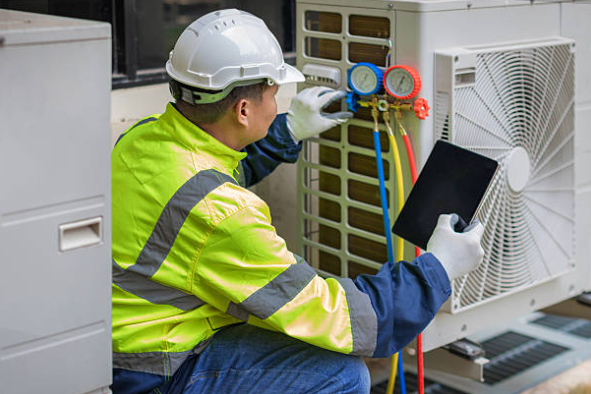
Gas furnaces combine combustion, electrical systems, and airflow management. Certain repairs should never be attempted without proper training.
Do not bypass the high limit switch. This safety device prevents dangerous overheating and should never be disabled.
Avoid disassembling the blower assembly or adjusting gas valves. Improper handling can create safety hazards.
Electrical rewiring and ignition system repairs also require professional expertise.
Limiting troubleshooting to basic airflow and thermostat checks protects both you and your equipment.
Customer Story: Short Cycling During a Cold Snap
A homeowner in Sierra Vista noticed their furnace was turning on and off every few minutes during a colder week. The house never quite reached the set temperature, and the air coming from the vents felt unusually hot before shutting down.
After inspection, our technician found a severely clogged air filter and restricted return airflow. The limit switch was activating repeatedly to prevent overheating. Once the filter was replaced, airflow restored, and internal components inspected and cleaned, the furnace returned to steady operation.
Catching the issue early prevented heat exchanger damage and avoided a more expensive repair. This situation highlights how small airflow problems can quickly lead to overheating if ignored.
When to Call a Professional
If the furnace continues to shut off prematurely after replacing the air filter and clearing vents, the issue likely involves internal components. Repeated limit switch activation, unusual smells, or weak airflow are signs that the system needs inspection.
A trained technician can test the blower motor, inspect the heat exchanger, evaluate duct performance, and verify proper combustion. Specialized tools allow accurate diagnosis without guesswork.
When overheating persists, scheduling service promptly helps prevent long term damage and restores consistent heating performance.
On A Final Note;
Furnace overheating is not random behavior. It is a protective response to airflow restrictions or mechanical strain. While replacing a dirty air filter or opening blocked vents may resolve the issue, persistent shutdowns require professional evaluation. Addressing overheating early protects the heat exchanger, blower motor, and overall system lifespan.
If your furnace continues to cycle off or shows signs of excessive heat, Saguaro Air Solutions can inspect the system and restore safe, reliable heating before the problem worsens.
FAQs
What causes a furnace to overheat the most?
The most common cause is restricted airflow, typically from a dirty air filter or blocked vents. When airflow drops, heat builds inside the furnace and triggers the high limit switch.
Can I keep running my furnace if it is overheating?
It is not recommended. While the system has safety protections, repeated overheating increases strain on components and may lead to long term damage.
How do I know if my limit switch is bad?
If the furnace shuts down frequently even after airflow issues are corrected, the limit switch may be malfunctioning. Proper diagnosis requires professional testing.
Is the furnace overheating dangerous?
Overheating is a warning sign. The system is designed to shut itself down before dangerous conditions develop, but ignoring repeated overheating can lead to serious mechanical problems.
How often should I replace my furnace filter?
Most filters should be checked monthly and replaced every one to three months depending on use, indoor air quality, and household conditions.