When a gas furnace stops working, the reaction is usually of immediate concern. The house feels colder, the vents are quiet, and it is easy to assume something serious has failed. While gas furnaces involve complex components, many issues start with simple causes.
A thermostat setting, a dirty filter, or a tripped breaker can all prevent proper operation. At the same time, gas systems require caution. Knowing what you can safely check and where to stop makes troubleshooting more effective and safer for your home.
In this guide, we will walk through safe, practical gas furnace troubleshooting steps so you can identify common problems before assuming the worst.
Key Takeaways
- Many gas furnace problems start with simple issues like airflow or thermostat settings.
- Checking the air filter and breaker is often the first troubleshooting step.
- Short cycling and cold air usually signal airflow or ignition problems.
- Gas smells or repeated ignition failures require immediate professional attention.
- Routine maintenance significantly reduces unexpected furnace breakdowns.
What Is the First Thing to Check When a Gas Furnace Stops Working?
When a gas furnace stops working, start by checking the thermostat settings, air filter condition, and circuit breaker before assuming a major mechanical problem.
Many furnace service calls are traced back to minor issues. The thermostat may be set incorrectly, the breaker may have tripped during a power fluctuation, or the air filter may be so clogged that the system shuts down for safety.
These quick checks often resolve the problem without tools or technical adjustments. If those basics are correct and the furnace still does not operate properly, the issue may involve ignition, gas flow, or internal controls that require professional inspection.
How a Gas Furnace Works in Simple Terms
Understanding the basic sequence of operation helps make troubleshooting clearer.
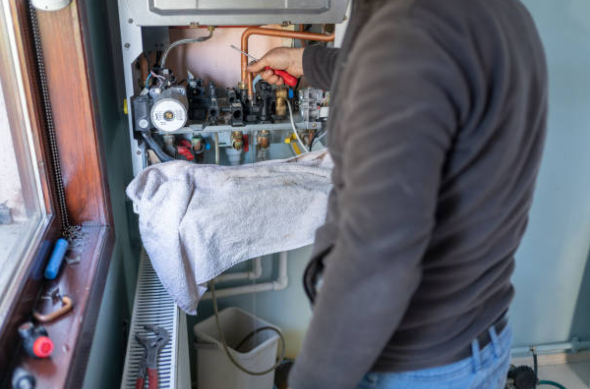
When the thermostat calls for heat, the furnace control board begins the startup process. The inducer motor starts first, clearing any leftover combustion gases from the heat exchanger. Next, the ignition system activates. Depending on the model, this may involve a hot surface igniter or electronic spark ignition.
Once ignition is confirmed, the gas valve opens and burners ignite. The heat exchanger warms up, and after a short delay, the blower motor turns on to push heated air through the ductwork and into the home.
If any step in this sequence fails, the system may shut down, cycle repeatedly, or run without producing heat. Troubleshooting becomes easier when you understand where the sequence may be stopping.
6 Common Gas Furnace Problems and Safe Troubleshooting Steps
Gas furnaces can show problems in different ways. Below are common symptoms and what you can safely check before calling for service.
1. Furnace Not Turning On
If the furnace does not respond at all, begin with power related checks.
Make sure the thermostat is set to heat and the temperature is set higher than the current room temperature. Replace thermostat batteries if applicable.
Check the furnace switch, which often looks like a standard light switch mounted nearby. It may have been turned off accidentally.
Inspect the circuit breaker and reset it once if necessary. If the breaker trips again immediately, leave it off and schedule service.
Also check that the furnace access panel is fully closed. Many furnaces include a safety switch that prevents operation if the panel is not secured.
2. Furnace Turns On but No Heat
If the furnace runs but does not produce heat, the ignition system may not be working properly.
You may hear the inducer motor running but never see or hear the burners ignite. In some cases, a dirty flame sensor can prevent the burners from staying lit. While cleaning a flame sensor is a common repair, it should only be handled by someone familiar with furnace components.
Another possibility is a gas supply issue. Confirm that other gas appliances in the home are working. If multiple appliances are affected, the issue may involve the gas line rather than the furnace itself.
3. Furnace Blowing Cold Air
If air comes from the vents but feels cool, the thermostat fan setting should be checked first. If the fan is set to “On” instead of “Auto,” the blower may run continuously even when the burners are off.
Cold air can also indicate that the burners are failing to ignite. In this case, the blower runs without heat being generated. Repeated ignition failures typically require professional diagnosis.
Airflow restrictions can also cause overheating, triggering a safety shutdown of the burners while the blower continues to run.
4. Furnace Keeps Turning On and Off
Short cycling, where the furnace turns on and off frequently, is often related to airflow issues or overheating.
A clogged air filter is one of the most common causes. When airflow is restricted, heat builds up inside the furnace and triggers the high limit switch. The burners shut down to prevent damage, and the cycle repeats.
Short cycling can also occur if the thermostat is located too close to a heat source or if the furnace is oversized for the space. Persistent short cycling increases wear and should be addressed promptly.
5. Unusual Noises from the Furnace
Different sounds can signal different issues.
Rattling often points to loose panels or components. Humming may indicate electrical strain or blower motor issues. Banging during startup can result from delayed ignition, which should not be ignored.
Whistling typically signals restricted airflow, often due to dirty filters or blocked vents.
New or worsening noises deserve attention, especially if paired with changes in heating performance.
6. Gas Smell or Burning Odor
If you smell gas, turn the furnace off immediately and leave the home. Do not attempt to troubleshoot further. Contact your gas provider or emergency services from outside the home.
A brief burning smell at the beginning of the heating season can be normal as dust burns off components. However, persistent or strong odors should be inspected by a professional.
Gas and combustion issues require immediate attention and should never be handled as a DIY repair.
What You Should Never Attempt Yourself
Gas furnaces contain components that should only be handled by trained technicians.
Do not attempt to adjust the gas valve or open gas lines. Avoid disassembling the ignition system or accessing internal wiring. The heat exchanger should never be opened or modified by homeowners.
Electrical troubleshooting beyond simple breaker checks should also be left to professionals. Gas furnaces combine electricity, combustion, and airflow. Mistakes in one area can create risks in another.
Limiting troubleshooting to safe, external checks protects both the system and your safety.
When to Call a Professional
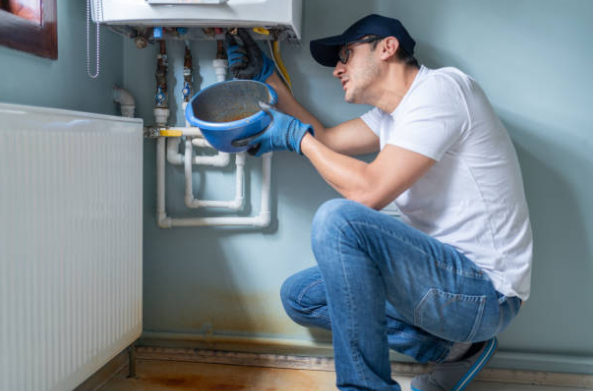
If the furnace repeatedly fails to ignite, trips the breaker, produces unusual odors, or continues short cycling after airflow checks, professional service is necessary.
Persistent ignition failures often point to sensor or control board problems. Breaker trips may indicate electrical faults. Overheating and shutdown cycles can involve internal components that require specialized testing.
If basic checks do not resolve the issue, scheduling service ensures the problem is diagnosed accurately. Experienced technicians can test ignition systems, inspect safety switches, and verify proper gas flow without guesswork.
Final Thoughts;
Gas furnace troubleshooting often begins with simple checks such as thermostat settings, airflow, and power supply. Many issues are minor and easily identified. At the same time, gas systems require caution. Problems involving ignition, gas flow, or electrical components should not be handled without proper training.
Addressing concerns early keeps the system reliable and reduces the risk of larger repairs. If safe troubleshooting steps do not restore proper operation, Saguaro Air Solutions can provide professional evaluation and restore dependable heating to your home.
FAQs
Why is my gas furnace running but not heating?
If your furnace runs but does not produce heat, the burners may not be igniting properly. This can be caused by a dirty flame sensor, ignition failure, or gas supply issues. A professional inspection is recommended if the issue continues.
What causes a gas furnace to short cycle?
Short cycling is often caused by restricted airflow, such as a clogged air filter, or overheating that triggers a safety shutdown. Thermostat placement or system sizing can also contribute to frequent on and off cycling.
Is it safe to reset my gas furnace repeatedly?
No. Repeated resets can strain electrical components and mask underlying issues. If the furnace continues shutting down after one reset, professional service should be scheduled.
What should I do if I smell gas near my furnace?
Turn off the furnace immediately and leave the home. Contact your gas provider or emergency services from outside. Do not attempt to troubleshoot gas smells yourself.
How often should a gas furnace be serviced?
Gas furnaces should be professionally serviced at least once a year, ideally before the heating season begins. Regular maintenance helps prevent ignition problems and improves system reliability.