
Many homeowners assume that because winter brings snow, wind, and debris, the outdoor AC unit needs to be wrapped up for protection. It feels logical.
If you cover patio furniture and grills, why not your air conditioner?
The reality is more nuanced. Air conditioning units are designed to live outdoors year round. In some cases, covering them helps.
In others, it can cause moisture buildup, corrosion, and even pest problems. Before placing a tarp over your unit, it helps to understand how it is built and what winter actually does to it.
In this guide, we will break down whether covering your AC unit in winter actually protects it or creates new problems.
Key Takeaways
- Most AC units do not need full winter coverage to stay protected.
- A breathable top cover can help reduce debris without trapping moisture.
- Wrapping the entire unit tightly may increase rust and mold risk.
- Outdoor condensers are built to withstand snow and freezing temperatures.
- Seasonal maintenance offers more protection than heavy winter covering.
Should You Cover Your AC Unit in Winter?
In most climates, you do not need to fully cover your outdoor AC unit during winter. A partial cover over the top may help keep debris out, but wrapping the entire unit tightly can trap moisture and create rust or mold issues.
Outdoor condenser units are built to withstand rain, snow, wind, and temperature changes. They are not delicate machines. The biggest risk during winter is not snow sitting on top. It is moisture getting trapped inside without proper airflow. That is why how you cover the unit matters more than whether you cover it at all.
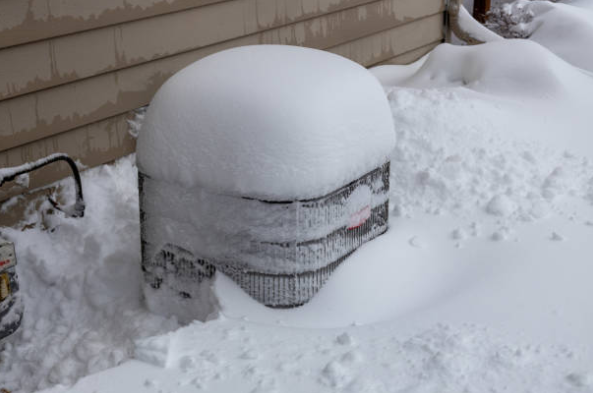
What Happens to an AC Unit During Winter?
Your outdoor AC condenser is engineered to sit outside in all kinds of weather. The metal casing protects internal components from direct exposure. The coil fins are designed to shed water and allow airflow. Drainage pathways help moisture exit naturally.
During winter, snow may accumulate on top of the unit. As temperatures rise, it melts and drains away. Freezing temperatures alone do not damage a properly installed AC unit. In fact, manufacturers test equipment for outdoor durability.
Problems occur when airflow is restricted and moisture becomes trapped. Condensation that cannot evaporate may sit against metal surfaces longer than intended. This is why fully wrapping a unit with plastic or heavy tarps can sometimes cause more harm than leaving it uncovered.
Pros of Covering an AC Unit in Winter
While full coverage is rarely necessary, there are situations where limited covering provides benefits.
Keeps Leaves and Debris Out
In areas with heavy tree coverage, falling leaves can collect inside the condenser. Over time, debris can settle into corners or along the base of the unit. A simple top cover can reduce how much organic material accumulates during fall and winter.
This makes spring startup cleaning easier and prevents buildup that could restrict airflow once the cooling season returns.
Reduces Direct Snow Accumulation
In climates with frequent snowstorms, a top cover can reduce the amount of snow directly settling into the unit. Although snow itself is not damaging, repeated freeze and thaw cycles can contribute to debris buildup.
A breathable cover that shields only the top helps limit accumulation while still allowing airflow around the sides.
Prevents Small Animal Nesting
Rodents and small animals look for sheltered spaces during colder months. A partially covered unit may discourage nesting if designed correctly. However, improperly wrapped units can create warm, enclosed spaces that attract pests instead.
Protection must be balanced with ventilation.
Cons of Covering an AC Unit in Winter
Many homeowners are unaware that covering an AC unit incorrectly can create avoidable issues.
Trapped Moisture and Rust
When an AC unit is fully wrapped with plastic or a non breathable material, moisture can accumulate underneath. Rain, melting snow, and humidity can enter but struggle to escape.
This trapped moisture increases the risk of corrosion over time. Rust weakens metal components and reduces equipment lifespan.
Mold and Mildew Growth
Moist environments create ideal conditions for mold and mildew. If airflow is restricted by a tight cover, organic debris inside the unit can retain moisture and support microbial growth.
When the system is turned on in spring, this buildup can contribute to unpleasant odors or reduced airflow.
Rodents Attracted to Covered Spaces
A fully enclosed cover creates a dark, protected space. In some cases, this attracts rodents rather than discourages them. Animals may chew wiring or insulation while seeking shelter.
Proper ventilation is essential to avoid creating an inviting nesting environment.
When Covering Makes Sense
There are circumstances where partial covering is reasonable.
Homes located directly under large trees often benefit from protecting the top of the unit from falling debris. Areas with frequent heavy snowfall may also see some benefit from a breathable top cover.
If the AC unit will not be used for an extended period and the surrounding environment includes significant debris, a partial cover may reduce cleanup before spring startup.
The key is moderation. Covering should prevent debris, not seal the unit.
How to Properly Cover an AC Unit
If you choose to cover your AC unit, follow safe guidelines.
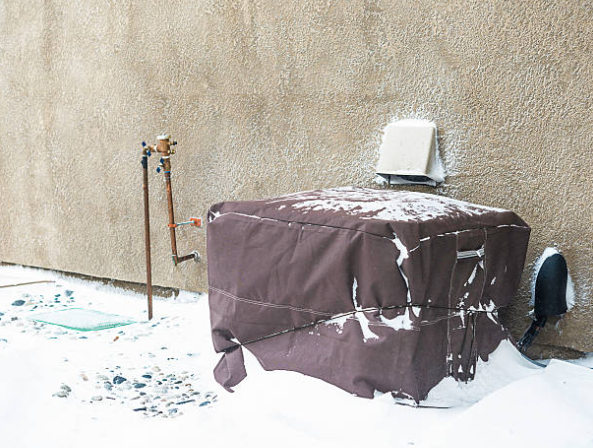
Use a breathable cover designed specifically for air conditioners. These covers allow moisture to escape while preventing debris accumulation.
Cover only the top of the unit rather than wrapping the entire condenser. This protects against falling debris while maintaining airflow around the sides.
Avoid plastic tarps or heavy waterproof materials that trap humidity. These materials often cause more harm than good.
Secure the cover lightly to prevent wind displacement but allow ventilation. Remove the cover before turning the system on in spring. Operating the unit while covered can cause immediate damage.
What You Should Do Instead of Covering It
In many cases, simple maintenance matters more than winter covering.
Clear leaves and debris from around the unit at the end of fall. Maintain at least two feet of open space around the condenser.
Trim nearby vegetation to reduce debris exposure. Ensure drainage around the unit remains clear so melting snow does not pool at the base.
Inspect the unit visually for bent fins or visible damage before winter begins. Preventative care before cold weather often reduces the need for protective measures later.
Climate Considerations Matter
In milder winter climates, covering is often unnecessary. Units are built to withstand seasonal exposure. In colder regions with heavy snowfall, limited top coverage may provide convenience but is still optional.
Understanding your local climate helps determine the right approach. In dry desert climates, debris control is typically more important than snow protection. In wetter regions, moisture management becomes the primary concern.
Regardless of location, the goal is to allow airflow while limiting debris buildup.
Customer Story: Preventing Moisture Damage Before Spring
Last winter, a homeowner in Sierra Vista decided to fully wrap their outdoor AC unit with a heavy plastic tarp to protect it from wind and dust. By the time spring arrived, the unit would not start properly and was making unusual noises. When the cover was removed, moisture had built up inside the cabinet, and debris had collected around the base.
During the inspection, our technician found early signs of corrosion on electrical connections and a buildup of organic debris that had stayed damp under the cover. We cleaned the unit, cleared the drainage path, tested electrical components, and confirmed safe operation before cooling season began.
The issue was caught early enough to avoid major HVAC repairs. A simple breathable top cover and routine maintenance would have prevented the moisture buildup altogether. This experience highlights that proper winter preparation matters more than fully wrapping the equipment.
When to Schedule Professional AC Maintenance
Rather than focusing solely on winter coverage, professional maintenance offers more reliable protection.
A seasonal inspection ensures coils are clean, fins are straight, and electrical components are secure. Drainage pathways are checked for obstructions. Refrigerant levels and overall system condition are evaluated.
Regular maintenance reduces startup issues in spring and helps identify wear before it becomes costly. Preventative care supports system longevity far more than heavy winter covering.
Wrapping Up;
Covering your AC unit in winter is not always necessary, and in many cases, full coverage does more harm than good. Outdoor condensers are built to withstand seasonal weather, including snow and cold temperatures. A breathable top cover may help in areas with heavy debris or snowfall, but airflow should never be restricted.
Proper maintenance and debris control offer more protection than wrapping the entire unit. If you want to ensure your system is prepared for every season, Saguaro Air Solutions can provide professional inspection and maintenance to keep your equipment performing reliably year round.
FAQs
Is it bad to leave my AC unit uncovered during winter?
In most climates, it is not harmful to leave your AC unit uncovered. Outdoor condensers are designed to handle rain, snow, and freezing temperatures. Proper airflow is often more important than full coverage.
Should I cover my AC unit if I live in a snowy area?
In areas with heavy snowfall, a breathable top cover may help reduce debris buildup. However, fully wrapping the unit is not recommended because it can trap moisture and increase corrosion risk.
Can covering my AC unit cause damage?
Yes, if the cover traps moisture or restricts airflow. Plastic tarps and tightly sealed covers can create condensation buildup, leading to rust, mold, or even pest nesting inside the unit.
Do manufacturers recommend covering AC units in winter?
Most manufacturers design outdoor units to withstand weather without full coverage. They typically do not require complete wrapping, though light debris protection may be acceptable in certain environments.
When should I remove the AC cover?
Any cover should be removed before turning the system on in spring. Operating the AC while covered can cause airflow restriction and potential damage to internal components.