
If your heat pump starts up, runs briefly, shuts off, and then starts again minutes later, something is not right. This pattern, known as short cycling, disrupts comfort and places unnecessary strain on the system. Instead of completing steady heating or cooling cycles, the unit constantly stops and restarts.
Over time, this increases wear on critical components and reduces overall efficiency. While the problem may begin with something simple, repeated cycling should never be ignored.
In this guide, we will explain why a heat pump turns on and off repeatedly, what short cycling means for your system, and what steps you can safely take before calling for service.
Key Takeaways
- Short cycling means your heat pump is shutting off before completing a full cycle.
- Dirty air filters and airflow restrictions are common causes of rapid cycling.
- Refrigerant or electrical issues often require professional diagnosis.
- Frequent cycling increases wear on the compressor and internal components.
- Early service prevents higher energy bills and long term system damage.
Why Does My Heat Pump Keep Turning On and Off?
A heat pump turns on and off repeatedly when it is short cycling, which usually results from thermostat problems, restricted airflow, refrigerant imbalance, electrical faults, or improper system sizing.
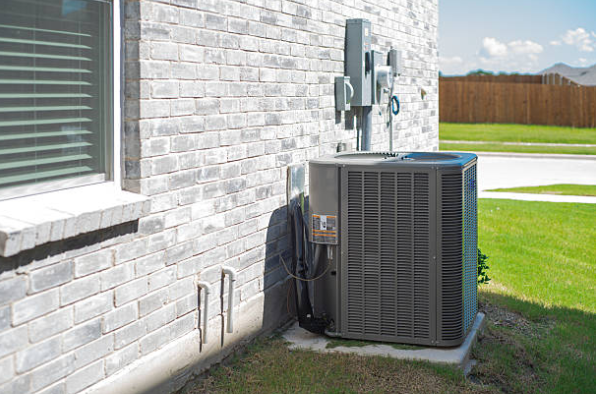
Short cycling means the system shuts down before completing a full heating or cooling cycle. Instead of running long enough to stabilize indoor temperature, it stops prematurely and attempts to restart soon after. This is not normal operation. A properly functioning heat pump runs long, steady cycles that maintain consistent comfort. Frequent on and off operation signals imbalance somewhere in the system.
What Is Short Cycling and Why It Matters
Under normal conditions, a heat pump runs until the thermostat reaches the set temperature. It then shuts off and remains idle until indoor conditions change enough to trigger another cycle.
Short cycling interrupts that balance. When cycles are too brief, indoor temperatures fluctuate more than they should. The system never reaches peak efficiency because startup consumes more energy than steady operation. Each restart also stresses the compressor, which is one of the most expensive components in the unit.
Repeated short cycling increases wear on electrical contacts, capacitors, and control boards. Left unresolved, it can shorten system lifespan and increase energy bills.
6 Common Causes of Heat Pump Short Cycling
Short cycling rarely happens without a mechanical or airflow related reason. Identifying the cause is key to restoring stable performance.
1. Thermostat Placement or Malfunction
If the thermostat is located near a heat source, draft, or direct sunlight, it may misread room temperature. For example, a thermostat placed near a window or supply vent may sense warmer air too quickly and shut the system off prematurely.
Faulty wiring or aging thermostat components can also cause erratic signals. Inconsistent communication between the thermostat and the heat pump often leads to rapid cycling.
2. Dirty Air Filter or Restricted Airflow
Restricted airflow forces the system to work harder to distribute conditioned air. When airflow drops, internal pressures and temperatures can shift beyond ideal ranges.
A clogged air filter is one of the simplest and most common causes. Blocked vents or closed registers also disrupt airflow balance. Reduced circulation may cause the system to overheat or trigger safety controls that shut it down early.
3. Low Refrigerant Levels
Refrigerants play a critical role in heat transfer. When levels are low, the system struggles to absorb and release heat efficiently.
Low refrigerant can cause the heat pump to reach temperature thresholds too quickly or fail to regulate pressures correctly. This often results in premature shutdown and restart cycles.
Refrigerant issues typically indicate a leak and require professional repair.
4. Electrical or Control Board Issues
Heat pumps rely on precise electrical signals to manage startup, shutdown, and defrost cycles. A faulty control board, loose connection, or failing capacitor can interrupt these signals.
When electrical communication becomes unstable, the system may shut down unexpectedly or restart repeatedly. Electrical problems often worsen over time and should be addressed promptly.
5. Oversized Heat Pump System
If a heat pump is too large for the space it serves, it may heat or cool the home too quickly. While this sounds beneficial, it creates short, inefficient cycles.
Oversized systems reach thermostat setpoints rapidly, shut down, and restart shortly after as temperatures drift. This constant cycling reduces efficiency and increases wear.
6. Frozen Coils
Ice buildup on indoor or outdoor coils restricts heat transfer and airflow. When the system detects abnormal conditions, it may shut down to protect itself.
Frozen coils are often linked to airflow problems or refrigerant imbalance. If ice is visible on the outdoor unit, the system may cycle repeatedly as it attempts to regulate temperature.
Signs the Issue Is Getting Worse
Short cycling often begins subtly but can escalate.
If the system runs for only a few seconds before shutting off, the problem is likely progressing. Uneven temperatures between rooms may become more noticeable. Energy bills may rise as the system consumes more power during repeated startups.
Strange clicking, humming, or buzzing noises may accompany rapid cycling. Ice buildup on the outdoor unit or visible condensation problems may also develop.
When these symptoms appear together, professional diagnosis becomes necessary.
What You Can Safely Check Before Calling for Service
Homeowners can perform several safe checks before scheduling service.
- Check thermostat settings.
Ensure the system is set to the correct mode and temperature. Replace thermostat batteries if applicable. - Replace the air filter.
If the filter appears dirty or clogged, install a clean one immediately. - Inspect vents and returns.
Make sure all vents are open and not blocked by furniture or debris. - Look for ice on the outdoor unit.
If ice is visible, turn the system off and allow it to thaw naturally. - Reset the system once.
Turn the thermostat off for several minutes, then back on. Observe whether the system completes a full cycle.
If short cycling continues after these steps, further inspection is required.
What You Should Not Attempt Yourself
Certain repairs involve electrical components, refrigerant handling, and safety controls that require training and proper equipment.
Do not attempt to add refrigerant. Handling refrigerants without certification is unsafe and illegal.
Avoid opening electrical panels or attempting to bypass safety switches. These components protect the system and your home.
Do not adjust defrost settings or control board wiring. Improper changes can worsen the problem and create additional damage.
Limiting troubleshooting to safe, external checks prevents unnecessary risk.
When to Call a Professional
If short cycling continues after basic checks, professional service is necessary. Persistent cycling may indicate refrigerant leaks, electrical faults, or deeper airflow problems.
A trained technician can test refrigerant levels, inspect electrical components, calibrate the thermostat, and evaluate system sizing. Specialized diagnostic tools allow accurate identification of the root cause.
Repeated cycling should not be dismissed as minor. Addressing the issue early helps protect the compressor and prevents more extensive repairs.
How Preventative Maintenance Helps Prevent Short Cycling
Routine maintenance reduces the likelihood of short cycling significantly.
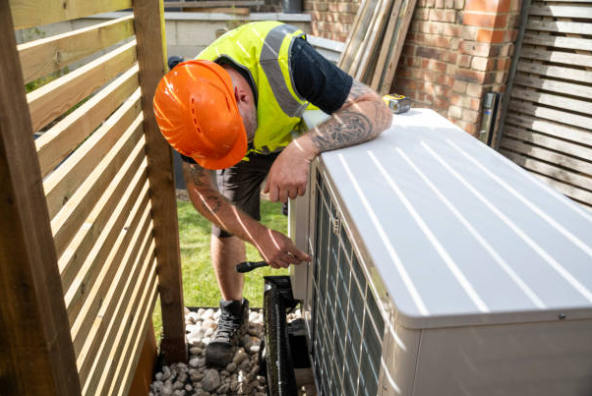
During service, technicians inspect refrigerant levels, clean coils, test electrical connections, and verify airflow balance. Thermostat calibration ensures accurate temperature readings.
Electrical components such as capacitors and contactors are checked for signs of wear. Drainage systems are inspected to prevent moisture related issues.
Consistent maintenance keeps the system operating within proper parameters and reduces the chance of unexpected cycling behavior.
Final Thoughts;
A heat pump that turns on and off repeatedly is not operating normally. Short cycling disrupts comfort, increases energy use, and places stress on critical components. While simple causes like dirty filters or thermostat placement may be responsible, ongoing cycling often points to deeper mechanical or electrical issues.
Addressing the problem early prevents unnecessary strain and costly repairs. If your heat pump continues to cycle rapidly or fails to maintain steady operation, Saguaro Air Solutions can inspect the system and restore reliable performance.
FAQs
Is it normal for a heat pump to turn on and off frequently?
No, frequent on and off cycling is not normal. A properly functioning heat pump should run steady cycles that maintain indoor temperature without constantly restarting.
Can a dirty air filter cause short cycling?
Yes, a clogged air filter restricts airflow and can trigger safety controls that shut the system down prematurely, leading to repeated cycling.
Will short cycling increase my energy bill?
Yes, repeated startups consume more energy than steady operation. Short cycling reduces efficiency and often leads to higher monthly utility costs.
Can thermostat issues cause a heat pump to cycle repeatedly?
Yes, improper placement, faulty wiring, or incorrect settings can cause the thermostat to misread temperature and signal the system to shut off too soon.
When should I call for professional service?
If replacing the air filter and checking vents does not stop the short cycling, or if you notice unusual noises or ice buildup, professional inspection is recommended.