
A heat pump that blows cold air in the middle of winter can cause immediate stress for any homeowner. The house feels chilly. The vents do not feel warm. The system keeps running but the temperature barely moves.
Many people assume the heat pump has failed completely, yet in most cases the cause is far more manageable. Noise and performance complaints rise each winter, and cold air concerns are among the most common reasons homeowners call for service.
In this blog, you will learn why a heat pump may blow cold air during winter, how to tell the difference between normal operation and an actual problem, and what steps you can take to restore proper heating.
Continue reading to understand what your system is trying to tell you and how to resolve the issue safely.
Key Takeaways
- Heat pumps can blow air that feels cool even while heating normally because they run at lower supply temperatures.
- Cold air during winter often comes from defrost mode, airflow restrictions or outdoor ice buildup on the coil.
- Weak airflow, nonstop running and persistent frost are signs your heat pump needs professional attention.
- Simple steps like replacing filters and clearing debris help improve heat output and restore stable performance.
- A technician can diagnose refrigerant issues, reversing valve problems or defrost failures that cause cold air.
Why Is My Heat Pump Blowing Cold Air in Winter
A heat pump blowing cold air in winter does not always indicate a breakdown. Heat pumps work differently from gas furnaces. Instead of generating heat, they move heat from one place to another. This means the air coming from your vents may feel cooler than what you expect even when the home is warming up properly.
Below are the most common reasons a heat pump blows cold air in the winter months and how to determine which one applies to your home.
Heat Pump Air Feels Cool but Is Actually Heating Normally
One of the most common misunderstandings is that heat pumps deliver warm air at a lower temperature than furnaces. A gas furnace may produce air between one hundred and ten and one hundred and twenty degrees. A heat pump often produces air between eighty and ninety degrees, which can feel cool when you place your hand near the vent. Even though it feels cool, it still warms the house gradually and steadily.
If your home eventually reaches the temperature you set on the thermostat, your heat pump is likely working exactly as it should.
System Is in Defrost Mode
Defrost mode is another major cause of cool air. During cold weather, frost can build on the outdoor unit. When this happens, the heat pump automatically enters a defrost cycle to melt the ice. During defrost, the system temporarily reverses operation and may blow cooler air indoors. This usually lasts for a few minutes.
If your heat pump returns to warm air after defrost, there is no issue. If the system seems stuck in defrost or the frost never melts, you may have a malfunction that needs attention.
Low Refrigerant Levels
Refrigerant is essential for absorbing heat from the outdoor air. When refrigerant levels drop, the heat pump loses its ability to transfer warmth. As a result, the unit may blow air that feels cold or the same temperature as the room. Low refrigerant often appears with long run times, weak airflow, or ice forming around the outdoor coil.
Refrigerant issues must be handled by licensed technicians since they involve pressurized lines and federal handling regulations.
Dirty or Clogged Air Filter
A dirty air filter restricts airflow through your entire system. When the heat pump cannot draw enough air, it cannot produce enough heat. The result is cool or lukewarm air blowing into your home. Restricted airflow also forces the system to run longer and work harder, which increases wear and decreases efficiency.
Replacing a dirty filter is one of the simplest and most effective ways to improve heat output.
Outdoor Unit Covered in Ice
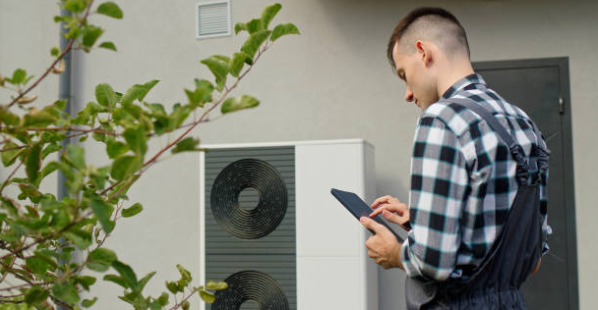
Heat pumps naturally collect a thin layer of frost, but thick ice buildup is a problem. When ice covers the coil or fan, heat extraction slows dramatically. The heat pump begins blowing cold air indoors while attempting to warm the home. Ice buildup often means defrost mode is not functioning correctly or airflow around the unit is blocked.
This situation should be addressed quickly because heavy ice can damage internal components.
Faulty Reversing Valve
The reversing valve shifts your heat pump between heating and cooling modes. If this valve sticks in the cooling position during winter, the heat pump will literally blow cold air into your home. This is a mechanical failure that requires professional diagnosis. Homeowners may also notice the outdoor unit behaving differently or sounding louder during operation.
Thermostat Settings Not Correct
Thermostat settings cause more cold air complaints than most homeowners expect. Common issues include:
- The thermostat is set to cool
- Someone changed the temperature setting without realizing
- The thermostat is on auto rather than heat
- The program schedule is overriding your manual settings
- Weak batteries prevent proper communication
These mistakes are easy to fix and should be checked before assuming the system is failing.
3 Signs Your Heat Pump Has a Real Heating Problem
Since heat pumps produce lower temperature air by design, it can be hard to know when something is truly wrong. The following signs help distinguish everyday behavior from serious performance issues.
1. Heat Pump Runs Constantly Without Warming the Home
If the system runs for long periods and the home temperature never rises, this is more than normal operation. Constant running usually points to refrigerant issues, airflow problems, duct leaks, or failing components.
2. Frost Does Not Melt During Defrost Cycles
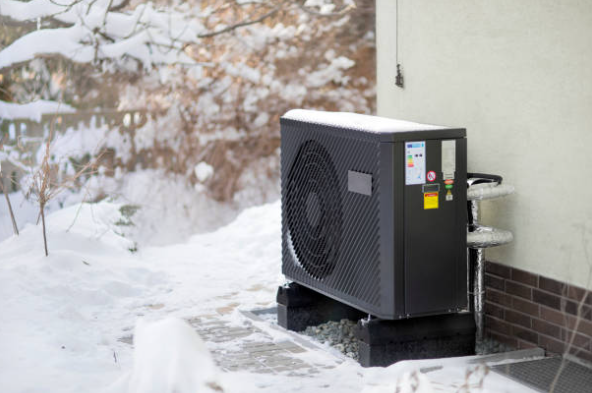
Frost should melt within a few minutes when the system enters defrost mode. If the frost stays frozen for an hour or returns immediately, the defrost controls may not be working correctly. This reduces heat output and can eventually cause cold air to blow continuously.
3. Airflow Drops or Feels Weak
Weak airflow is a clear sign that the heat pump is not circulating enough warm air. This often results from clogged filters, blower issues, or ductwork blockages. Poor airflow also forces the system to struggle, which leads to cold air and high energy bills.
How to Fix a Heat Pump Blowing Cold Air
Some causes of cold air are simple and safe for homeowners to handle. Others require a technician. Understanding the difference keeps your system protected.
Replace the Air Filter
Always start by checking the air filter. If it is dirty, replacing it often restores strong airflow and improves heat output quickly. This step alone solves many winter performance problems.
Clear Ice or Debris Around the Outdoor Unit
Look at the outdoor unit and clear away leaves, debris, or snow. Give the system at least two to three feet of open space on all sides. Improved airflow allows the coil to absorb more heat from the outdoor air. If you see thick, solid ice, turn the system off and schedule professional service.
Check Thermostat Mode and Temperature Settings
Confirm that the thermostat is set to heat and not cooling or auto. Adjust the temperature a few degrees higher to see if the heat pump responds. If the thermostat screen is dim or flickering, replace the batteries.
Give the System Time After Defrost
If the heat pump just completed a defrost cycle, you may feel cooler air for several minutes. Wait for the cycle to finish and see if the warm air returns. If the system repeatedly enters defrost without improving comfort, there may be a deeper issue.
When to Call a Professional
A technician should inspect your heat pump when:
- Cold air blows consistently
- The system never reaches the set temperature
- Ice covers the outdoor unit
- The heat pump runs constantly
- You hear unusual noises
- Warm air never returns after defrost
- You suspect low refrigerant
Saguaro Air Solutions can inspect the outdoor coil, indoor components, blower motor, refrigerant levels, thermostat communication, and defrost controls. A technician can also test electrical parts and airflow to find the exact reason your system is blowing cold air. Professional diagnosis protects your home and ensures safe, efficient heating during the coldest part of the season.
A Customer Story of a Heat Pump Running but Not Heating Properly
A homeowner near E Snyder Blvd in Sierra Vista, AZ noticed their heat pump running throughout the day while the home continued to feel cold. Air was coming through the vents, but it never warmed the living space. After two days of discomfort, they contacted Saguaro Air Solutions for an inspection.
When our technician arrived, they found a thick layer of frost covering the outdoor coil along with a clogged air filter inside the home. The frost prevented proper heat transfer, while the restricted airflow reduced heating performance. After clearing the ice, replacing the filter, and verifying the defrost cycle, the system returned to stable operation. The indoor temperature reached the thermostat setting within an hour.
This case shows how two small issues can combine to create a major comfort problem. Early inspection restored proper heating and helped prevent further strain on the system.
How to Prevent Cold Air Issues in the Future
Prevention is the best way to avoid cold air problems. Keep the area around your outdoor unit clear, replace filters on schedule, and schedule routine tune ups. Seasonal maintenance keeps coils clean, refrigerant levels correct, and defrost controls working properly. A well maintained system runs efficiently and delivers consistent heat even during cold spells.
Regular care also helps technicians identify early signs of refrigerant leaks, blower issues, or pressure problems before they cause noticeable comfort issues.
Final Thoughts;
A heat pump that blows cold air in winter can interrupt your comfort, but the solution often begins with understanding how the system works. Many causes are simple and reversible, while others require professional diagnosis. When cold air becomes constant or your home never reaches the set temperature, an inspection is the safest next step.
Saguaro Air Solutions can identify the cause, restore proper heating, and make sure your home stays warm through the season.
Frequently Asked Questions
Why does my heat pump blow cold air when the weather gets very cold?
Heat pumps rely on outdoor air to extract heat. When outdoor temperatures drop sharply, the system works harder and may supply cooler air while still heating. If the home never reaches the set temperature, the system may need a performance check.
How long should defrost mode last on a heat pump?
Most defrost cycles last only a few minutes. During this time, indoor air may feel cooler. If defrost cycles take too long or happen repeatedly without melting the frost, there may be an issue with the sensors or control board.
Can a dirty filter make my heat pump blow cold air?
Yes. A dirty filter limits airflow through the system, which reduces heat transfer and causes the heat pump to deliver cooler air. Replacing the filter restores airflow and helps the system produce stronger, warmer output.
Why does my heat pump run constantly but never warm the house?
Constant operation with little heating usually means a refrigerant issue, airflow restriction or failing component. The system is working hard but cannot collect enough heat. A technician can check refrigerant pressure, the outdoor coil and airflow to identify the cause.
Does ice on the outdoor unit mean my heat pump is broken?
Not always. Light frost is normal, but thick or persistent ice prevents proper heat transfer. If ice remains after defrost cycles or keeps returning, it signals a malfunction that requires a professional inspection.