
A loud chopper-like noise coming from your heat pump can be alarming. The sound is hard to ignore and often strong enough to shake nearby walls or windows.
While it can feel serious at the moment, the cause is usually mechanical or airflow related. Once that problem is identified, the noise becomes much easier to understand and fix.
In this blog, you will learn why a heat pump begins sounding like a helicopter, the signs the issue may be growing, and the steps you can take to quiet the system.
These noises are very common during the cold season, and more than half of winter repair calls involve noise or vibration complaints.
Keep reading to understand what is happening inside your outdoor unit and how to stop the sound safely.
Key Takeaways
- A helicopter-like heat pump noise usually begins with airflow restrictions, loose parts, ice buildup, or fan imbalance.
- Loud rhythmic thumping often signals a mechanical issue that can worsen if the unit continues running unchecked.
- Strong vibration or reduced heating performance means the system needs prompt inspection before further damage occurs.
- Basic steps like clearing debris and replacing filters can reduce noise, but persistent sounds require professional service.
- Routine maintenance helps prevent noisy operation and keeps your heat pump running smoothly throughout the year.
Why Your Heat Pump Sounds Like a Helicopter

A heat pump produces helicopter-like noise when the moving parts inside the outdoor unit become unbalanced or obstructed. The fan is the main cause in most situations.
Once airflow or rotation is disrupted, the fan begins creating a strong rhythmic thumping or whooshing that resembles the spin of helicopter blades. The noise may start suddenly or build slowly over several days.
The good news is simple. This noise almost always has a clear cause, and most issues can be corrected before permanent damage occurs.
Here are some common causes:
Loose or Unbalanced Fan Blades
Fan blades take a beating throughout the year. Dust, leaves, and debris can stick to the blades and create an uneven weight distribution. When the fan spins, that imbalance produces a heavy rhythmic sound. You may also notice vibration or wobbling from the outdoor unit while the fan runs.
If the blade mount becomes loose, the sound becomes even more noticeable. The blades strike air unevenly, sending strong pulses through the cabinet that feel almost identical to helicopter rotation.
Outdoor Unit Touching a Wall or Debris
Heat pumps need breathing room. When the outdoor cabinet sits too close to a wall or when debris rests against the sides, the fan creates turbulent airflow. That turbulence leads to rhythmic vibration that sounds like chopper blades beating against the air.
Even something as simple as a wooden board, a trash bin, or snow piled too close can create this effect. Once the obstruction is moved, the sound usually fades quickly.
Failing Fan Motor
A fading motor loses strength and stability as it slows down. When the motor can no longer control the fan smoothly, the blades begin spinning in uneven pulses. This turbulence produces a loud chopping rhythm. The sound may start softly at first, then grow louder as the motor continues to weaken.
A failing motor often pairs with reduced heating performance, slow startup, or sudden stops.
Ice Buildup Around the Fan
Cold winter mornings can lead to ice forming around the top of the unit. When ice builds around the fan blades or fan housing, the rotation becomes restricted. The blades begin striking pockets of frozen air and ice fragments. That resistance creates a thumping pattern that sounds very similar to a helicopter hovering above the home.
If the heat pump enters defrost mode and the noise continues afterward, the ice may be thicker than normal and require professional attention.
Airflow Blockages Around the Outdoor Unit
Airflow problems are common during winter in homes where leaves, dust, or snowdrifts collect around the heat pump. When airflow drops, the fan must work harder. This creates choppy movement inside the unit which produces helicopter-like noise.
Clearing the area around the system often reduces the sound almost immediately.
Refrigerant Issues Affecting Pressure
Incorrect refrigerant pressure can cause unusual sounds during operation. When pressure drops too low or rises too high, airflow and mechanical motion inside the heat pump become unstable. Homeowners often describe this as a loud pulsing sound. Only a certified technician can safely evaluate refrigerant levels because the process requires specialized tools.
3 Signs the Helicopter Sound Indicates a Serious Issue
A loud heat pump is not always an emergency, but certain symptoms can signal deeper mechanical problems. Recognizing the early signs helps you prevent damage and avoid expensive repairs.
1. Heat Pump Shakes or Vibrates Strongly
Some vibration is normal, but if the outdoor unit visibly shakes or vibrates hard enough to rattle nearby objects, the system is losing stability. This often points to failing fan mounts or a damaged motor. Ignoring heavy vibration can lead to broken components inside the cabinet.
2. System Struggles to Heat or Cool
A helicopter like sound paired with performance issues suggests airflow or mechanical failure. When airflow is restricted or the fan cannot spin properly, the system cannot move enough air across the coil. This reduces heating capacity and forces the heat pump to run much longer than usual.
3. Loud Noise Continues After Startup
Heat pumps often make a short noise during startup. This is normal. When the helicopter sound continues long after the system has started or becomes louder over time, the problem is more serious. This usually means something is physically affecting the fan or motor.
How to Reduce or Stop the Helicopter Noise
Some causes of loud noise can be safely handled by homeowners. Others require a technician. Taking the right steps helps avoid further damage.
Clear Debris and Improve Airflow
Walk around the outdoor unit and remove leaves, branches, snow, or anything leaning against the cabinet. Allow at least two to three feet of open space on all sides. Improved airflow reduces turbulence and quiets the fan.
Replace Dirty Filters
Indoor airflow plays a major role in how hard the outdoor unit must work. A dirty filter restricts airflow, forcing the outdoor fan and motor to operate under strained conditions. This strain often produces choppy, noisy operations. A clean filter restores proper airflow.
Check for Loose Panels or Objects Touching the Unit
Gently press on each panel of the outdoor cabinet to see if anything feels loose. Loose panels can vibrate loudly when the fan is running. Also check for household items touching the unit. Even a small object leaning against the cabinet creates noise.
Shut Off the Unit if the Noise Becomes Intense
If the heat pump shakes violently, makes grinding sounds, or appears unstable, turn it off immediately. Continuing to run the system can cause internal damage or even safety problems. Once the system is off, call a professional to inspect the cause.
When to Call a Professional for Heat Pump Noise
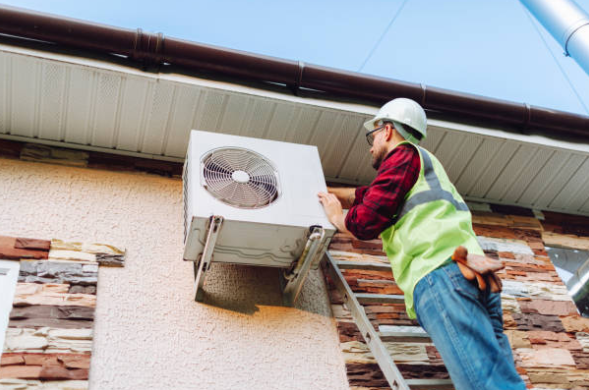
Some helicopter-like noises require professional training and tools to diagnose safely. A technician can check the fan blades, motor mounts, bearings, electrical components, refrigerant pressure, and any vibration points. They can also clear ice buildup, balance the fan, or replace worn internal parts.
Call a professional when:
- The noise continues after you cleared debris
- The outdoor unit shakes strongly
- Warm air flow drops noticeably
- The unit freezes repeatedly
- You hear metallic scraping
- The noise becomes louder over time
Professional attention ensures the system runs safely and prevents long term damage.
A Recent Heat Pump Repair Case in Sierra Vista
A homeowner on Coronado Dr, Sierra Vista, AZ woke up to a deep helicopter-like noise coming from their outdoor heat pump. Inside the home, the temperature felt cooler than expected even though the thermostat was set correctly. The homeowner shut the system off and scheduled a service visit.
When our technician arrived, they found a thick layer of ice around the outdoor fan housing along with a loose blade mount. The ice had formed overnight during an extended defrost delay, causing the fan blade to move unevenly and create the loud rhythmic noise.
The technician removed the ice, secured the blade mount, tested the motor, and verified proper airflow. The heat pump returned to quiet, normal operation within minutes.
This service call shows how quickly cold weather and minor mechanical issues can combine to create helicopter-like noise. Addressing the problem early helped prevent further damage and avoided a more costly repair.
How to Prevent Heat Pump Noises in the Future
Prevention plays a major role in long term comfort and quiet operation. You can reduce noise by keeping the area around the outdoor unit clear, replacing filters on schedule, and scheduling routine tune ups. Regular maintenance keeps the fan balanced, the motor lubricated, and all electrical components working smoothly. Beyond reducing noise, this also improves energy efficiency and extends the life of the system.
Wrapping Up
A heat pump that sounds like a helicopter can feel disruptive, but the cause is usually manageable once you understand what is happening inside the system. Most noises begin with airflow restrictions, loose components, motor strain, or ice buildup during cold weather. When the issue stays mild, simple steps like clearing debris or changing a filter may help. When the noise becomes steady, loud, or forceful, professional attention is the safest way to prevent damage.
If your heat pump continues making chopper-like sounds, the Saguaro Air Solutions team can inspect the system, identify the source of the noise, and restore smooth and quiet operation.
Our technicians work carefully, diagnose accurately, and make sure your home stays comfortable through the season. Contact us today to schedule a complimentary consultation.
Frequently Asked Questions
Why does my heat pump suddenly start making a helicopter-like sound?
A sudden helicopter sound usually comes from loose fan blades, ice buildup, or debris restricting airflow. Once the fan becomes unbalanced, the noise grows quickly. Clearing the area helps, but persistent noise often requires a technician to inspect the motor and blade assembly.
Is it safe to keep running the heat pump when it sounds like a helicopter?
It is best to shut it off. Loud rhythmic noise suggests something is obstructing or stressing the fan. Continued operation can damage the motor, bend the fan blades, or crack internal mounts. Turning the system off protects the equipment until it can be inspected.
Can cold weather cause my heat pump to make louder noises?
Yes. Ice can form around the fan housing during very cold mornings or during a long defrost delay. This ice disrupts airflow and creates a heavy thumping noise. If the sound continues after defrost cycles, the ice may be too thick and needs professional removal.
How do I know if the noise is coming from the fan or the motor?
A fan issue usually creates a rhythmic beating or wobbling sound. A motor problem creates a deeper buzzing, grinding, or pulsing. Both can cause helicopter-like noise, but a technician can confirm the exact cause by checking rotation, airflow, and vibration levels.
Will clearing debris around the outdoor unit stop the chopper sound?
It can help if the noise comes from airflow blockage. Items touching the cabinet or buildup around the unit create turbulence that mimics helicopter rotation. If the sound continues after the area is cleared, the issue is likely internal and needs professional service.